
Best camera for vlogging: seven picks for different recording styles
Choose the DJI Osmo Pocket 3 for walking commentary, but choose an interchangeable-lens camera when framing control matters more than a built-in gimbal.
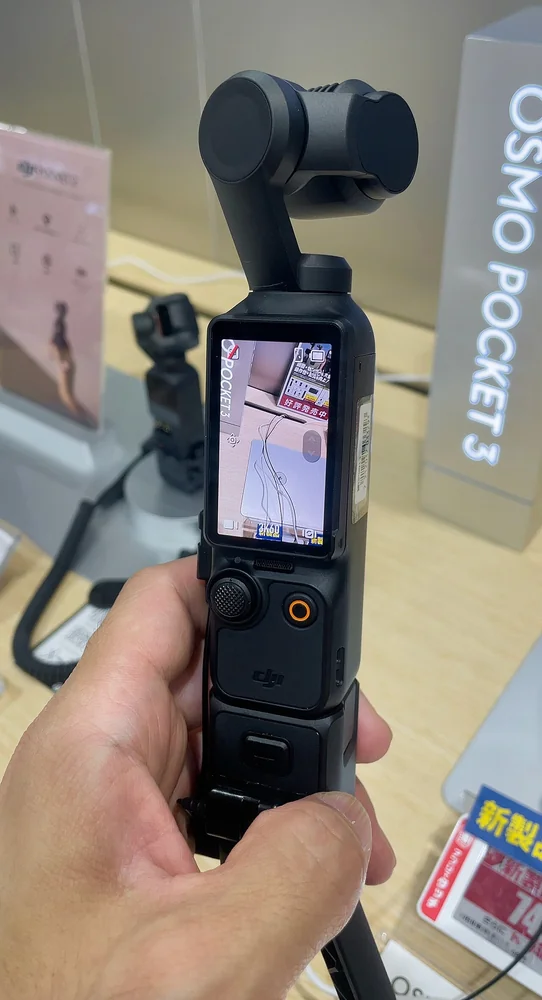

Recommendations are based on documented specifications and independent reviews.
Choose the DJI Osmo Pocket 3 for walking commentary. Its built-in gimbal physically moves the camera to steady the shot as you move. The catch is durability: PCMag reports that it is not rugged or weatherproof, and the moving gimbal can break.
For a desk or tripod setup, start with the Sony ZV-E10 II, where lens choice matters more than a built-in gimbal. Choose the GoPro HERO13 Black for daylight action clips. The shot you make most often should decide the camera, not the largest resolution number.
Links are Amazon.com affiliate searches; we may earn a commission from qualifying purchases. Check the model, condition, seller, delivery date, bundle contents and regional warranty. Interchangeable-lens picks are body only. Pocket 3 and HERO13 Black recommendations cover the standard cameras, not accessory bundles.
Compare by how you record
Narrow the choice by recording style, then check framing, sound and power for your setup.
| Camera | Vlogging job | Stabilization or framing issue | Reason to pass |
|---|---|---|---|
| DJI Osmo Pocket 3 | Walking commentary | Built-in three-axis gimbal | Not rugged or weatherproof |
| Sony ZV-E10 II | Tripod and lens-controlled talking head | Active stabilization adds substantial crop | No IBIS, EVF or internal ND |
| Fujifilm X-M5 | Reframing an open-gate recording | 6.2K open gate; no sensor-shift stabilization | Tracking consistency concern |
| Fujifilm X-S20 | Shared stills and video kit | Five-axis sensor-shift stabilization | Micro HDMI and one card slot |
| Sony a6700 | Hybrid creator with slow-motion plans | Sensor stabilization; 4K/120p crops | Video overheating risk |
| Panasonic Lumix S5II | Deliberate full-frame setup | Choose a compatible L-mount lens | No tally light; video emphasis may be wasted |
| GoPro HERO13 Black | Daylight action clips | Electronic HyperSmooth stabilization | Poor low-light performance |
Pick the camera that matches the shot
DJI Osmo Pocket 3
Check DJI Osmo Pocket 3 on Amazon.com
The Pocket 3 is the starting pick if you mostly walk and talk to the camera. DJI lists a 1-inch-type sensor and a three-axis mechanical gimbal, so you do not need to build a lens-and-gimbal setup around a separate body. The camera weighs 179 g and measures 139.7 x 42.2 x 33.5 mm before cases or accessories.
Its lens is fixed. That keeps the purchase simple, but limits your framing options. More importantly, PCMag warns that the camera is not weatherproof or rugged and that the gimbal is a potential breakage point. Protect it when carrying it, and choose another option for rough or wet activities. This pick is the standard camera, not Creator Combo.
Sony ZV-E10 II
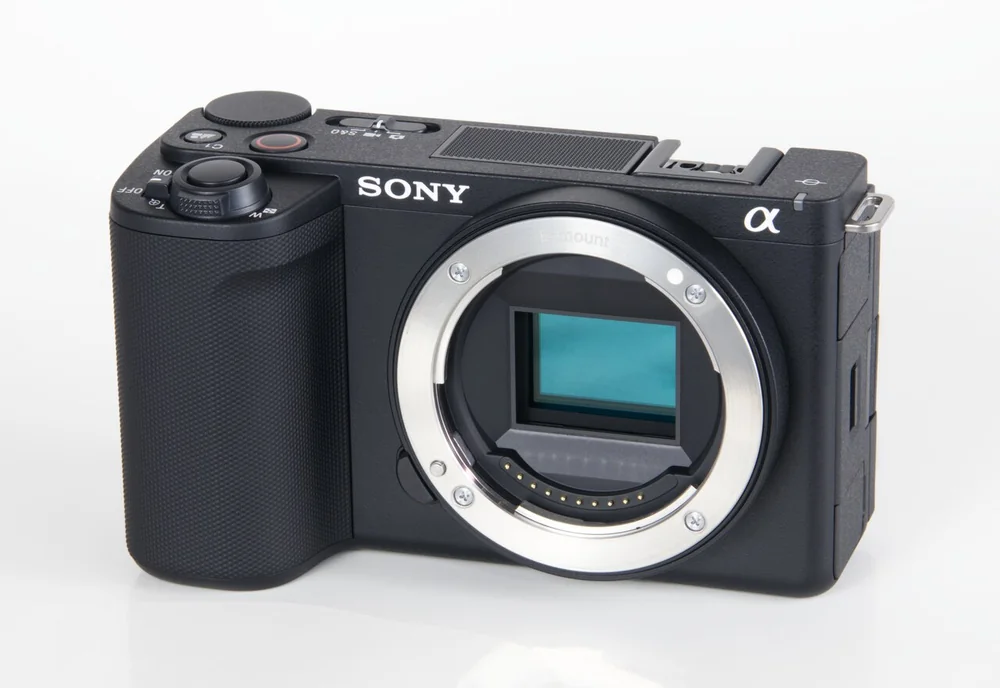
Check Sony ZV-E10 II on Amazon.com
Choose the ZV-E10 II for talking-head shots where you control the camera position and lens. Sony lists a 26 MP APS-C sensor, 4K up to 60 frames per second with 10-bit capture, and the NP-FZ100 battery. Ten-bit recording retains more color information; check that your software and storage suit the files you intend to edit.
It is less convincing for handheld walking footage. Photography Blog reports no in-body image stabilization, or IBIS, and a substantial crop with Active electronic stabilization. That crop narrows the view and can make arm-length framing too tight. Check your actual lens at your intended distance with stabilization switched on.
The review also notes no electronic viewfinder, mechanical shutter or internal ND filter to reduce incoming light. Those omissions make it a more specialized video purchase than the stills-and-video alternatives.
Fujifilm X-M5
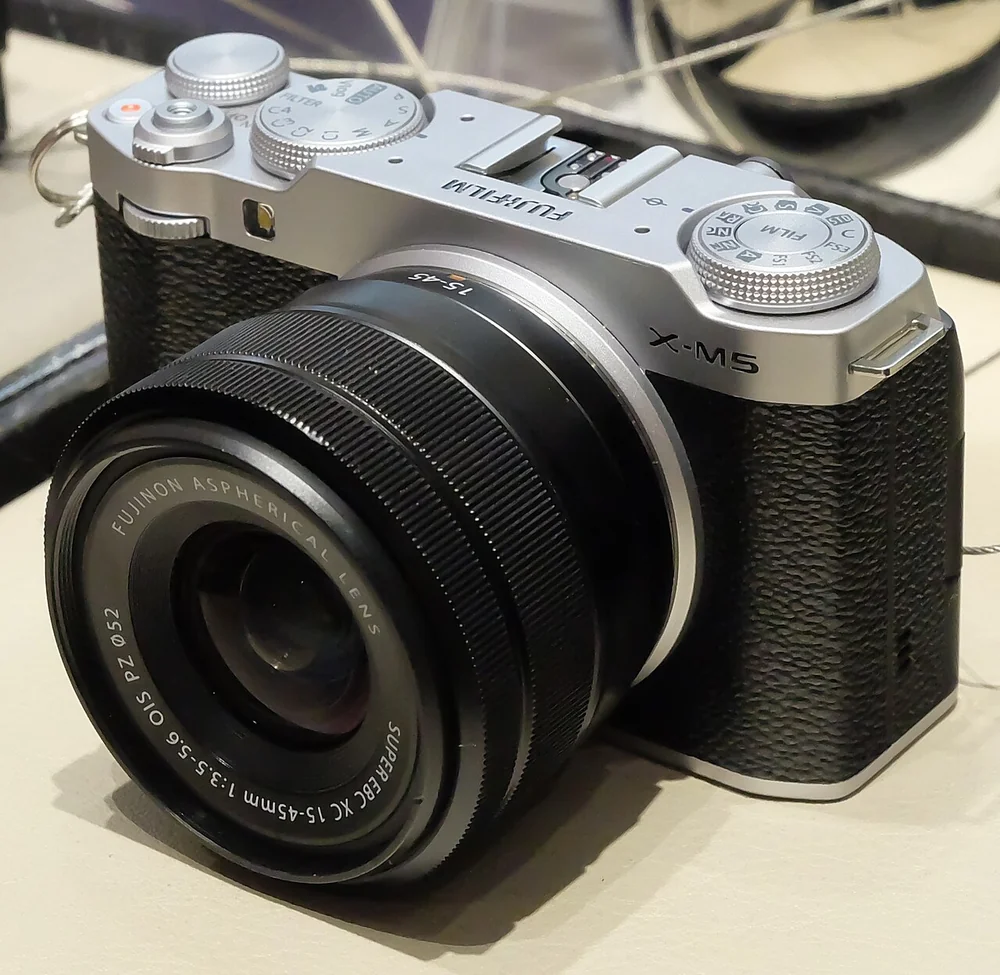

Check Fujifilm X-M5 on Amazon.com
The X-M5 is worth considering if you want to crop one recording into different output shapes. Fujifilm lists 6.2K open-gate recording, which captures a taller image than a conventional widescreen frame and gives you more room to reframe later. It also has a 26.1 MP APS-C sensor.
Use it with a deliberate support plan. There is no sensor-shift stabilization or viewfinder, and DPReview found tracking inconsistent as subjects changed their approach speed. A controlled tripod shot is a better reason to buy it than expecting dependable tracking of a moving presenter.
Fujifilm X-S20
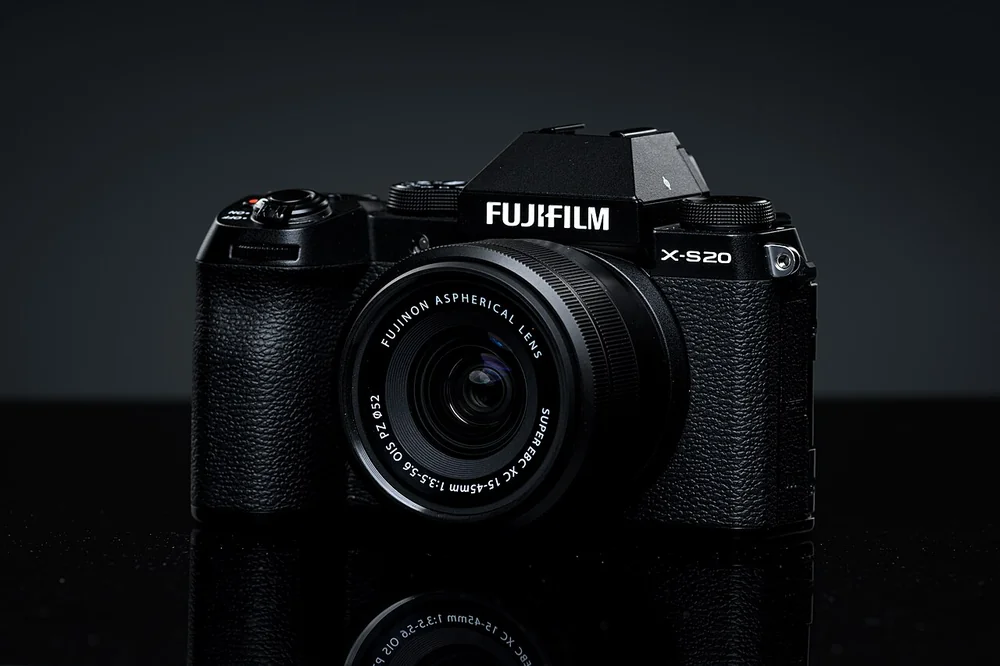

Check Fujifilm X-S20 on Amazon.com
Choose the X-S20 if the same camera needs to take family photographs and record your channel. Fujifilm lists a 26.1 MP APS-C sensor and five-axis sensor-shift stabilization. That helps reduce camera shake, but does not replace a gimbal for walking footage.
PCMag notes one UHS-II memory-card slot and a micro HDMI connector that is less robust than full size. You cannot make simultaneous two-card backups, and an attached cable needs careful routing so it does not strain the socket. Those tradeoffs matter more in a connected recording setup than in casual handheld use.
Sony a6700
.jpg)
Check Sony a6700 on Amazon.com
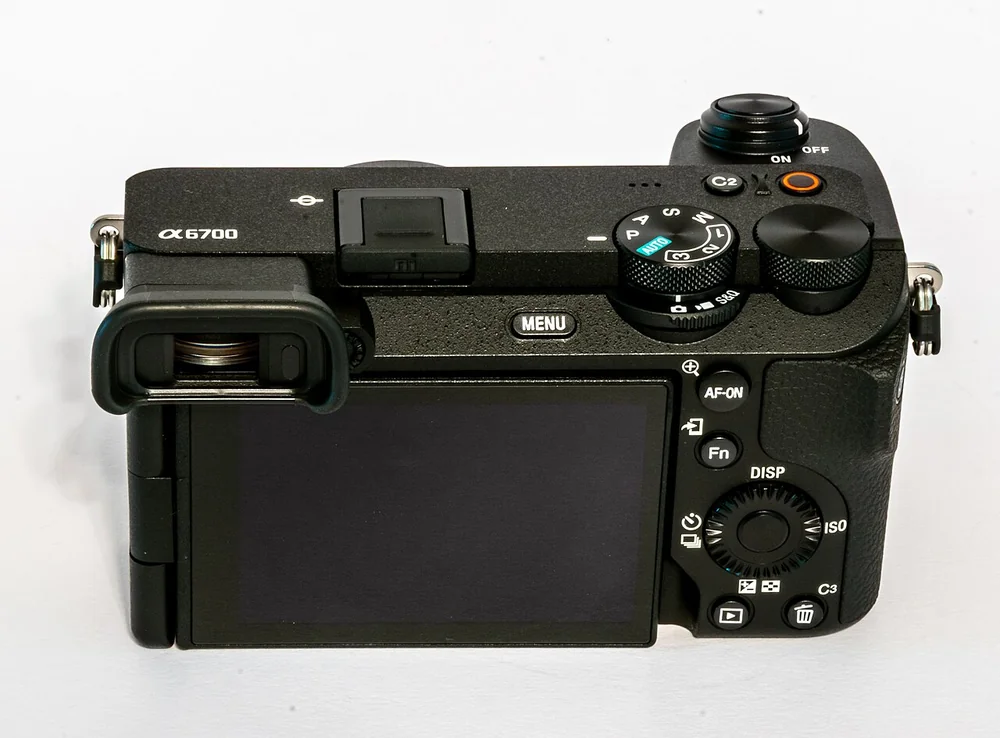
Choose the a6700 if stills and slow-motion footage are both important. Sony lists a 26 MP APS-C sensor, five-axis stabilization and 4K at 120 frames per second. That high-frame-rate mode crops the image, so check the view with the lens you intend to use.
PCMag reports possible overheating during video, one SDXC slot and no focus joystick. For a long session in a warm room, heat risk deserves more attention than the slow-motion feature. There is no verified uninterrupted-session comparison here.
Panasonic Lumix S5II
.jpg)
Check Panasonic Lumix S5II on Amazon.com
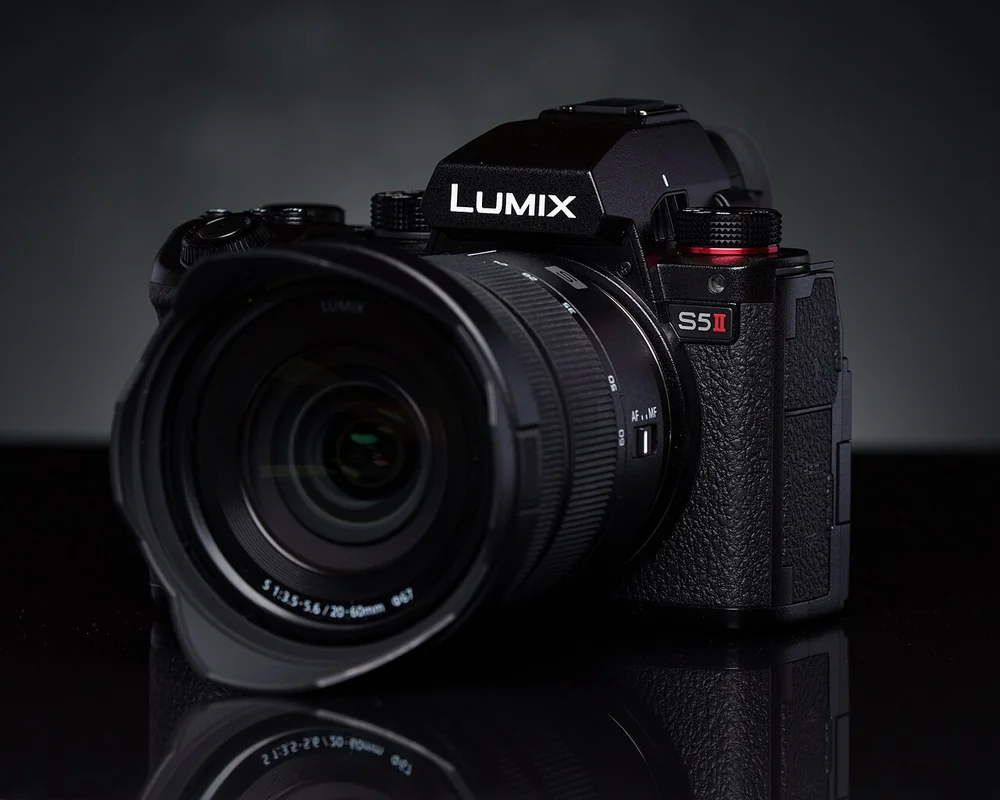
The S5II suits a planned full-frame setup with a compatible L-mount lens. Panasonic lists a 24.2 MP sensor, phase hybrid autofocus and two UHS-II SD slots. Check the manual for backup behavior in your recording mode.
TechRadar notes that there is no tally light, the indicator that tells a presenter recording is underway. Decide how you will confirm recording when working alone. The review also questions the value of its video emphasis for stills-only buyers, so choose it when those features have a job to do. This recommendation is S5II, not S5IIX or the original S5.
GoPro HERO13 Black

Check GoPro HERO13 Black on Amazon.com
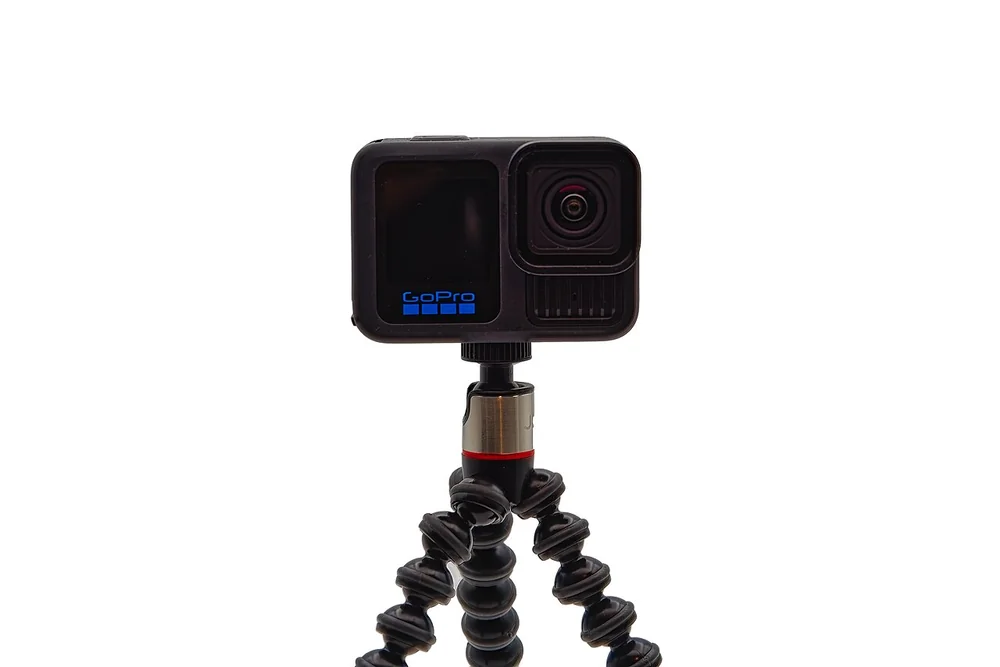
Choose HERO13 Black for daylight action clips. GoPro lists a 27 MP sensor, video up to 5.3K and HyperSmooth electronic stabilization, which steadies footage digitally. Check mounts and bundle contents separately; HB-Series accessories are not a conventional interchangeable photographic lens system.
Skip it as your main dim-room talking-head camera. WIRED reports poor low-light performance and notes the same sensor and processor as HERO12, so those components alone do not justify an upgrade. An underwater depth rating was not verified for this guide; check the relevant instructions before water use.
Buying criteria for a real recording session
Decide whether you walk or control the camera position
Write down the most common shot. If it is arm-length commentary while walking, prioritize framing after stabilization and the burden of carrying the camera. If it is a desk shot, prioritize lens choice, recording confirmation and cable arrangement. The Pocket 3’s gimbal and the ZV-E10 II’s lens mount solve different problems; neither is a universal upgrade over the other. If the camera must also teach you still photography, compare the viewfinder and control tradeoffs in our beginner camera guide.
Check the crop before choosing a lens
Active stabilization on the ZV-E10 II, 4K/120p on the a6700 and other mode-specific crops can change your framing. Test the intended distance and mode before buying if possible. Choose and verify an exact wide-angle lens separately; the body search is only the start of the purchasing decision.
Plan sound and uninterrupted time separately
Choose how you will record sound, then check exact microphone compatibility in the relevant manual. Audio accessories were not verified for these variants. Also check recording duration, temperature limits and power for your longest session. A format you like is little help if the camera stops before the recording is finished.
Treat stabilization and durability as separate decisions
A gimbal is not weather sealing. Sensor stabilization is not a guarantee of smooth footsteps. Electronic stabilization can affect framing. Choose the compromise for the shot you actually make, then verify protection for the conditions. For a trip that includes hiking or water activities, our travel camera guide separates weather-resistant kits from a conditional shallow-water compact recommendation.
Vlogging questions
Is the Pocket 3 the best choice for every channel?
No. It is the starting recommendation for walking commentary. An interchangeable-lens camera is more relevant when changing the field of view or building a controlled recording setup is central to the job.
Should I buy a camera without IBIS?
Possibly, especially for a fixed camera position. The ZV-E10 II and X-M5 have no IBIS. Choose them with a deliberate support and framing plan rather than assuming electronic stabilization has no cost.
Does 4K/120p mean the same framing as ordinary 4K?
Not on the a6700. Its documented 4K/120p mode crops. Check the specific mode and lens before choosing it for a tight recording space.
Is HERO13 Black a good indoor default?
It is not our recommendation for that job. WIRED’s low-light limitation points toward another branch when dim-room talking-head footage is your main use.
Are accessories included in these recommendations?
No. These recommendations cover body-only interchangeable-lens cameras and standard integrated cameras. They do not establish that a microphone, lens, mount or Creator Combo comes with a search result.
Which vlogging camera should you buy?
Start with Pocket 3 for walking, ZV-E10 II for tripod work with lens choice, and HERO13 Black for daylight action. Choose X-S20 or a6700 if photographs share the workload. X-M5 is worth considering for open-gate reframing, while S5II suits a planned full-frame setup. Before ordering, settle the lens, sound and power arrangements for your most common shot.
Sources and specifications
Specifications come from manufacturers and reported drawbacks from exact-model reviews. Prices, stock, uninterrupted recording duration and comparative audio performance were not verified.
- DJI Pocket 3 specifications
- PCMag Pocket 3 review
- Sony ZV-E10 II specifications
- Photography Blog ZV-E10 II review
- Fujifilm X-M5 specifications
- DPReview X-M5 review
- Fujifilm X-S20 specifications
- PCMag X-S20 review
- Sony a6700 specifications
- PCMag a6700 review
- Panasonic S5II product page
- TechRadar S5II review
- GoPro HERO13 Black product page
- WIRED HERO13 Black review
Related guides
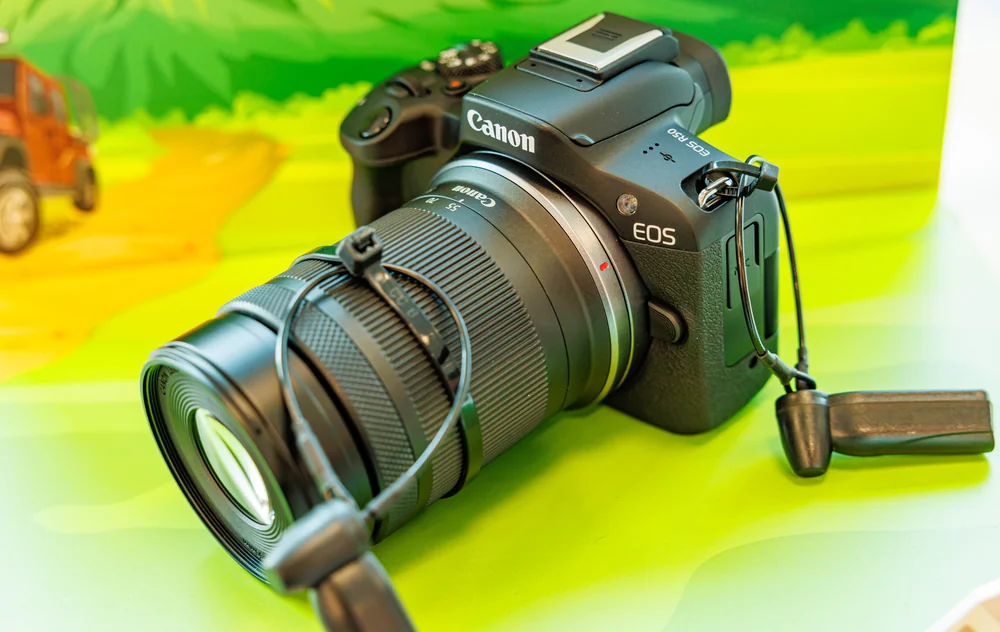
Best camera for beginners: seven choices for learning photography
Compare seven beginner camera candidates by viewfinder, stabilization, learning controls and lens-system commitments, with clear drawbacks and research sources.
Best camera for landscape photography: detail without the wrong kit
Seven research-based landscape camera picks, comparing single-shot detail, lens-system choices and field workflow without unsupported dynamic-range rankings.
Best camera for portraits: choose for the session, not skin-tone claims
Seven portrait cameras for learning, controlled sessions and hybrid work, with lens-system tradeoffs, useful drawbacks and lighting checks before buying.