
Best lens for concert photography
Choose for your permitted shooting position, then compare a framing-flexible f/2.8 zoom with wider-aperture primes in your camera's native mount.
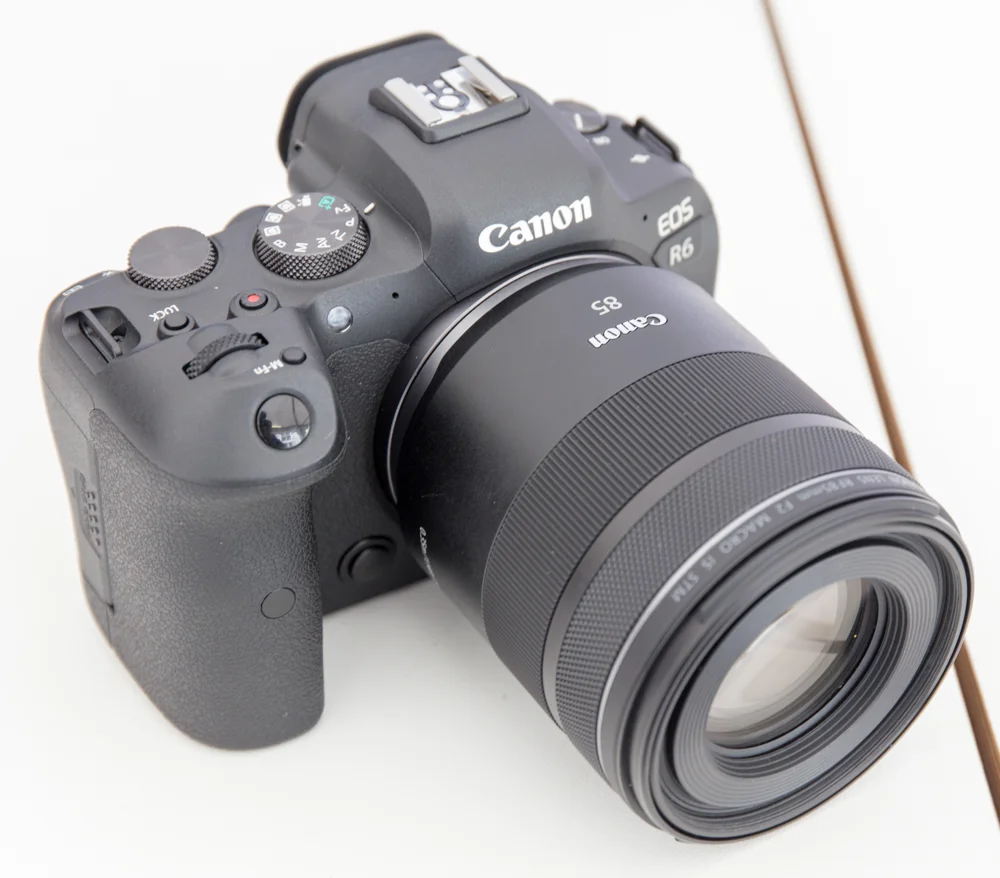

Choose a concert lens by your permitted position. For a Canon RF photographer who needs to change framing as performers move, start with the Canon RF70-200mm F2.8 L IS USM if the light allows f/2.8. A fixed Canon or Sony 135mm f/1.8 fits more distant, predictable framing. Nikon Z and Sony E 85mm f/1.8 options suit shorter stage distances. The Sony FE35mm F1.4 GM is the wide-context choice here, not a balcony-reach lens.
A concert can switch from a bright spotlight to a dim wash within one song. You may have little freedom to move, or permission to photograph only part of the set. Decide whether you need nearby stage context or tighter performer pictures before buying. A lens cannot solve restricted access or an obstructed view, and autofocus still depends on your camera.
These recommendations draw on manufacturer specifications and independent reviews. Some reviews were available only as excerpts. There are no measured low-light autofocus results, keeper rates or venue tests here.
We may earn a commission from qualifying purchases through the Amazon.com links. They open exact-model searches, not verified listings. Check model, mount, generation, condition, accessories, seller authorization, regional warranty and delivery to your address. Current prices and stock are unverified, and Amazon.com may not deliver to every country.
For body selection, the sports camera guide discusses moving subjects, but its recommendations are not concert autofocus tests or evidence about stage-light flicker. Check your exact camera and venue separately.
Compare the seven picks
| Exact product and affiliate search | Native mount and coverage | Focal length | Maximum aperture | Best-fit job |
|---|---|---|---|---|
| Canon RF135mm F1.8 L IS USM | Canon RF, full frame | 135mm | f/1.8 | Canon longer fixed stage framing |
| Sony FE 135mm F1.8 GM SEL135F18GM | Sony E, full frame FE | 135mm | f/1.8 | Sony longer fixed stage framing |
| Nikon NIKKOR Z 85mm f/1.8 S | Nikon Z, full frame FX | 85mm | f/1.8 | Nikon shorter stage distance |
| Sony FE 85mm F1.8 SEL85F18 | Sony E, full frame FE | 85mm | f/1.8 | Sony shorter stage distance |
| Canon RF85mm F2 Macro IS STM | Canon RF, full frame | 85mm | f/2 | Canon shorter stage distance |
| Sony FE 35mm F1.4 GM SEL35F14GM | Sony E, full frame FE | 35mm | f/1.4 | Sony pit and stage context |
| Canon RF70-200mm F2.8 L IS USM | Canon RF, full frame | 70-200mm | f/2.8 constant | Canon changing-distance zoom |
Check your mount and sensor first
Canon RF lenses cover full frame and give a narrower view on RF APS-C. They do not fit EF DSLRs or EOS M. EF-to-RF adapters do not work in reverse.
Sony E entries cover FE full frame and give a narrower view on E APS-C. A-mount is excluded. There are no Sigma lenses in this shortlist.
Nikon Z lenses cover FX and give a narrower view on Z DX. They are not F DSLR lenses. FTZ does not adapt Z lenses to F bodies.
No adapted use or teleconverter combination is verified. Physical focal length and f-number do not become sensor-equivalent values. Native fit is not an exhaustive body or firmware approval.
Which lens fits your job?
1. Canon RF135mm F1.8 L IS USM
Product photo loads from Amazon when available.
Choose the RF135mm when your position is far enough back for its fixed view and f/1.8 matters. It is not the lens for every pit position. If a performer approaches, you cannot widen the frame without moving or changing equipment, so plan that limitation before the show.
The f/1.8 maximum aperture gives you a wide opening for limited light. The price in flexibility is working distance: to frame the same performer, 135mm needs more room than 50mm or 85mm, particularly on APS-C. A prime has one focal length, so you cannot zoom out when the performer approaches.
2. Sony FE 135mm F1.8 GM SEL135F18GM
Product photo loads from Amazon when available.
Choose the Sony 135mm to isolate a performer from a more distant position. Its f/1.8 opening helps with exposure choices in limited light; check autofocus on your exact body separately.
The Digital Picture lists moderately heavy construction and no aperture-ring lock. Those handling limits deserve attention if you will hold the camera through a long set.
3. Nikon NIKKOR Z 85mm f/1.8 S
Product photo loads from Amazon when available.
The Nikon Z85mm f/1.8 is the native Nikon choice when 135mm would crop too tightly. It still becomes narrower on a DX body. Check the view from your seat or permitted position rather than assuming an 85mm portrait label guarantees a useful concert composition.
F/1.8 admits less light than the Z85mm f/1.2. Fixed short-telephoto framing can still be restrictive in a small venue, especially on DX. Choose it for the view from your position, not simply for a wider aperture than a zoom.
4. Sony FE 85mm F1.8 SEL85F18
Product photo loads from Amazon when available.
Choose the Sony 85mm f/1.8 for a fixed performer view when 135mm is too tight and 35mm too broad. It sits between nearby stage context and more distant framing.
You give up a zoom’s ability to reframe and the extra light of faster 85mm primes. If the performer moves toward you throughout the song, the fixed view may be a greater limitation than the aperture.
5. Canon RF85mm F2 Macro IS STM
The Canon 85mm f/2 fits a closer performer position than the Canon 135mm. Its close-focus ability is incidental to stage work. Canon specifies 0.5x maximum magnification, meaning half life-size on the sensor rather than true 1:1 macro.
Photo Review notes no weather sealing. Plan around that at exposed outdoor venues rather than treating the lens as protected against bad weather.
6. Sony FE 35mm F1.4 GM SEL35F14GM
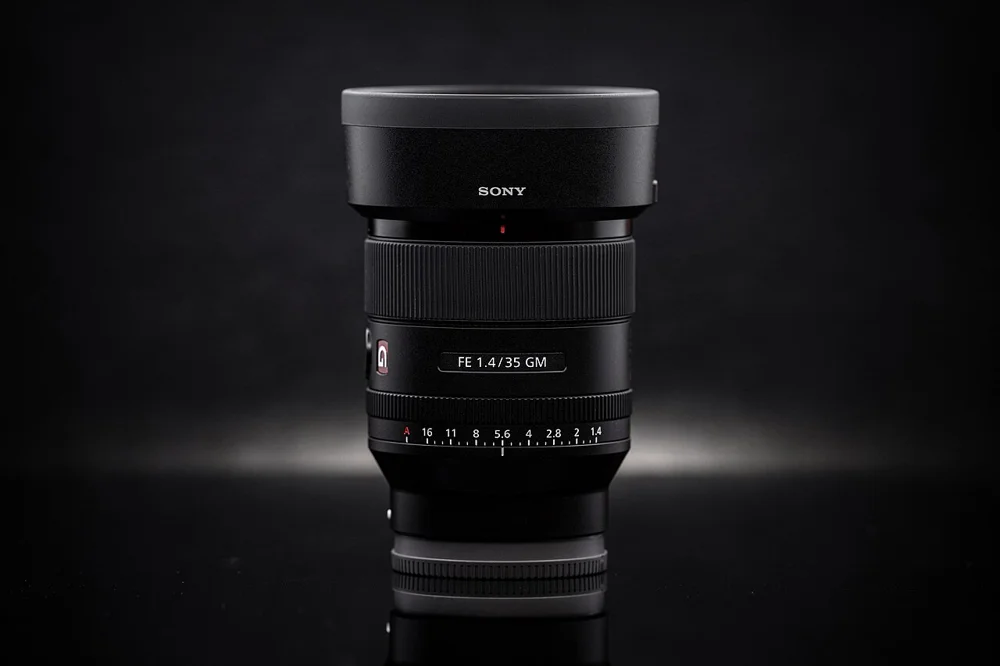

Choose 35mm when you want the performer together with the stage or surrounding atmosphere from a nearby position. It cannot replace a telephoto from the back of a hall. A wide maximum aperture helps exposure choices but does not remove the need to compose around barriers and other photographers.
DPReview describes a somewhat front-heavy feel on recent Alpha bodies. Try the balance with your camera if possible. Match the F1.4 GM, not the older Zeiss Distagon 35mm.
7. Canon RF70-200mm F2.8 L IS USM
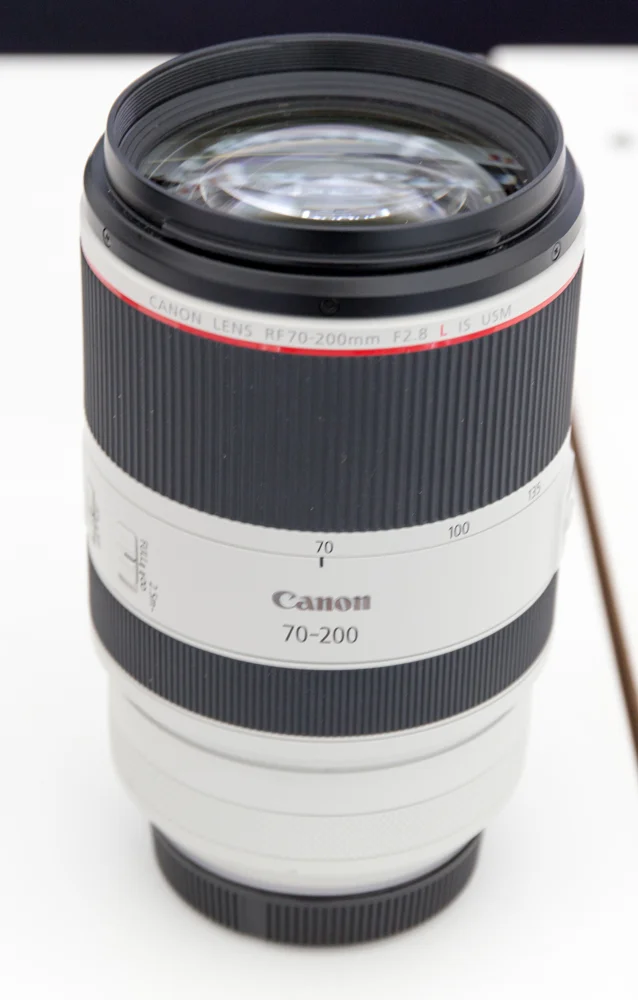

The 70-200mm gives Canon RF owners more framing flexibility as performers move. Choose it over a prime when the view changes faster than you can reposition. Its f/2.8 maximum aperture is narrower than the f/1.8 primes, so confirm that the lighting and your body make that trade workable.
Even 200mm may leave a distant performer too small. The constant f/2.8 opening stays available throughout the zoom range, but admits less light than the f/1.8 primes. Buy the original non-Z RF version covered here.
Buying criteria
Confirm access and equipment rules first
Ask whether photography is permitted, where you may stand and whether interchangeable-lens cameras or large lenses are restricted. A technically suitable lens is useless if security will not admit it. Do not treat a concert ticket as a photo credential. If you have only a brief shooting window, favor a setup whose framing you already understand rather than experimenting with an unfamiliar long prime.
Match framing to your position
A 35mm lens from near the stage can include context. From a balcony it may leave the performer tiny. An 85mm or 135mm can isolate someone from farther away but cut off a nearby subject. Use your actual body and sensor size when judging this. The same physical focal length shows less of the scene on a compatible APS-C body.
Plan for light changes and subject movement
Wider maximum aperture can help maintain an exposure when light falls, but shallow depth of field adds a focus constraint. Optical stabilization cannot freeze a singer’s hands or a drummer’s movement. This guide gives no universal shutter speed because the movement and venue light vary. Check the exact camera’s autofocus behavior and any artificial-light or shutter-mode restrictions separately.
Decide between a zoom and fixed exposure flexibility
The Canon 70-200mm trades a narrower f/2.8 maximum aperture for variable framing. The f/1.8 primes trade zooming for a wider opening. Choose based on the problem you actually encounter. If the frame changes throughout the song, a fast prime may miss compositions even when its aperture helps exposure. If your position and framing remain stable, the prime’s limitation may be acceptable.
Frequently asked questions
Is a 70-200mm f/2.8 always enough for concerts?
No. It depends on light, camera performance and your position. The range helps with changing distance, but f/2.8 may not suit every dim venue. The fixed primes offer wider apertures at the cost of framing flexibility; neither solution is universally better.
Does stabilization stop performer blur?
No. It addresses camera movement, not subject movement. A moving performer may need a faster shutter speed even with stabilization. Check your camera and the venue light; there is no universal exposure setting or measured stabilization benefit here.
Should I buy 35mm or 135mm?
Choose by access. A nearby pit position may favor stage context at 35mm; a more distant position may call for 135mm. On crop bodies the view narrows further. If you do not know where you may stand, resolve that before committing to either prime.
Can I bring these to any concert?
No. Venue and promoter rules can restrict camera types, lens sizes and shooting periods. Check the event rules directly before buying or packing a lens.
Sources and specifications
- Canon RF135mm: Canon specifications, The Digital Picture review.
- Sony 135mm GM: Sony specifications, The Digital Picture review.
- Nikon Z85mm f/1.8: Nikon specifications, Amateur Photographer review.
- Sony 85mm F1.8: Sony specifications, Cameralabs review.
- Canon RF85mm F2: Canon specifications, Photo Review review.
- Sony 35mm GM: Sony specifications, DPReview field review.
- Canon RF70-200mm non-Z: Canon specifications, Cameralabs review.
Related guides
Best lens for wildlife photography
Compare seven Canon RF, Sony E and Nikon Z wildlife lenses by subject distance, daylight aperture, carrying demands and sourced drawbacks. Mounts are separate choices.
Best lens for wedding photography
Compare seven Canon RF, Nikon Z and Sony E wedding lenses for general coverage, distant ceremonies and environmental portraits.
Best lens for macro photography
Compare seven native-mount macro lenses reaching at least 1:1, with sensor coverage, stabilization caveats and body-specific focus-stacking limits.