
Best lens for wedding photography
Identify the view missing from your own wedding kit. A standard zoom, telephoto zoom and wider-aperture prime solve different framing problems.
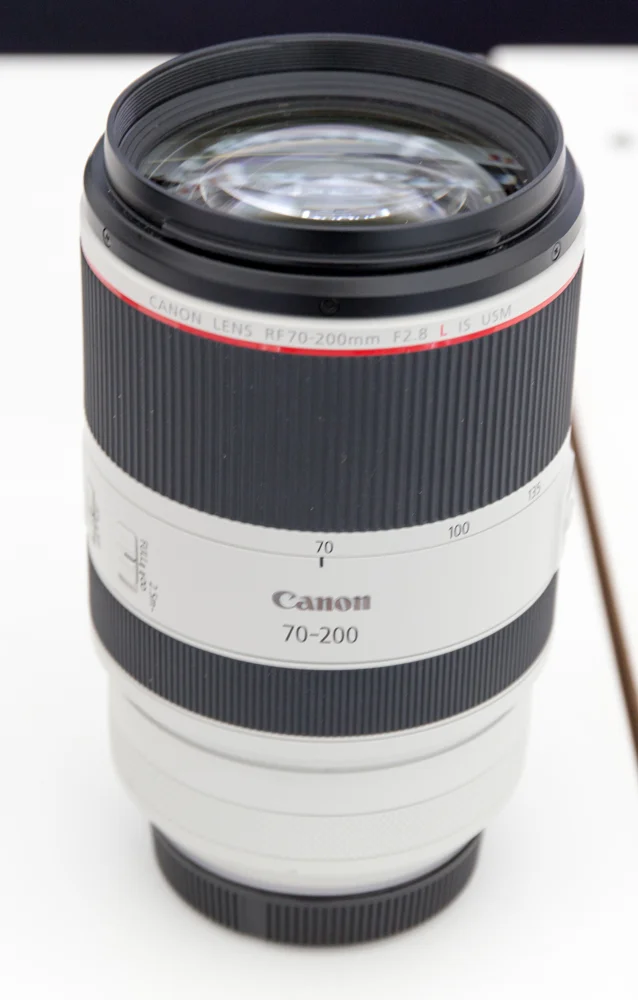

For a Canon RF wedding kit, start with the Canon RF24-70mm F2.8 L IS USM for general coverage and consider the RF70-200mm for distant ceremony framing. Nikon Z and Sony E owners have native 70-200mm f/2.8 options here for reach, paired with their own 35mm primes for wider scenes. Those Nikon and Sony pairs are not complete general-coverage kits. A 35mm prime offers low-light and environmental framing but cannot replace every zoom composition.
Buy the view missing from your kit. Nearby groups need different framing from a ceremony you must photograph from the back. A wider-aperture prime can help with light and room context, but this shortlist includes a standard zoom only for Canon RF. Nikon and Sony owners should research that gap separately, then plan backup equipment as well as lens coverage.
These recommendations draw on manufacturer specifications and independent reviews. The framing advice is editorial; sources are collected at the end.
We may earn a commission from qualifying purchases through the Amazon.com links. They open exact-model searches, not verified listings. Before ordering, check model, mount, generation, condition, accessories, seller authorization, price, regional warranty and delivery date. Stock and worldwide shipping are unverified, and Amazon.com may not deliver to your country.
The wedding camera guide addresses body selection and event-workflow limits separately. For posed sessions, compare the priorities in the portrait camera guide; neither guide establishes lens-specific autofocus performance.
Compare the seven picks
| Exact product and affiliate search | Native mount and coverage | Focal length | Maximum aperture | Best-fit job |
|---|---|---|---|---|
| Canon RF24-70mm F2.8 L IS USM | Canon RF, full frame | 24-70mm | f/2.8 constant | Canon general coverage starting point |
| Canon RF70-200mm F2.8 L IS USM | Canon RF, full frame | 70-200mm | f/2.8 constant | Canon distant ceremony coverage |
| Nikon NIKKOR Z 70-200mm f/2.8 VR S | Nikon Z, full frame FX | 70-200mm | f/2.8 constant | Nikon distant ceremony coverage |
| Sony FE 70-200mm F2.8 GM OSS II SEL70200GM2 | Sony E, full frame FE | 70-200mm | f/2.8 constant | Sony distant ceremony coverage |
| Canon RF35mm F1.8 Macro IS STM | Canon RF, full frame | 35mm | f/1.8 | Canon environmental and detail prime |
| Nikon NIKKOR Z 35mm f/1.8 S | Nikon Z, full frame FX | 35mm | f/1.8 | Nikon environmental prime |
| Sony FE 35mm F1.4 GM SEL35F14GM | Sony E, full frame FE | 35mm | f/1.4 | Sony wider-aperture environmental prime |
Check your mount and sensor first
Canon RF lenses cover full frame and give a narrower view on RF APS-C. They do not fit EF DSLRs or EOS M. EF-to-RF adapters do not work in reverse.
Nikon Z lenses cover FX and give a narrower view on Z DX. They are not F DSLR lenses. FTZ does not adapt Z lenses to F bodies.
Sony E entries cover FE full frame and give a narrower view on E APS-C. A-mount is excluded. There are no Sigma lenses in this shortlist.
No adapted use or teleconverter combination is verified. Physical focal length and f-number do not become sensor-equivalent values. Native fit is not an exhaustive body or firmware approval.
Which lens fits your job?
1. Canon RF24-70mm F2.8 L IS USM
Product photo loads from Amazon when available.
Choose the RF24-70mm for general Canon coverage. You can move from a broader scene to tighter people photographs or details without swapping lenses, and the maximum aperture stays at f/2.8 as you zoom.
At 24mm, it may still be too tight for a cramped room. The f/2.8 aperture lets in less light than the primes here, so consider reception lighting rather than assuming the standard zoom covers every exposure need.
2. Canon RF70-200mm F2.8 L IS USM
The original non-Z RF70-200mm adds reach for ceremony moments you cannot approach. Treat it as a companion to the standard zoom rather than an automatic replacement.
Its 70mm wide end can be too tight for nearby groups. Plan which lens or body covers those moments, and remember that f/2.8 lets in less light than f/1.8. Check the listing for the original RF generation, not the Z version.
3. Nikon NIKKOR Z 70-200mm f/2.8 VR S
Product photo loads from Amazon when available.
Choose the original Z70-200mm f/2.8 VR S when you need adjustable ceremony framing from a restricted position. Match the original S model, not S II.
The range stops at 200mm, which may be short for very distant subjects, and f/2.8 lets in less light than fast portrait primes. This page does not include a Nikon standard zoom. The 35mm prime below gives you another view, but does not complete every gap in a two-lens kit.
4. Sony FE 70-200mm F2.8 GM OSS II SEL70200GM2
Product photo loads from Amazon when available.
Choose the Sony GM OSS II for people or details farther away when you need to change framing without moving from your ceremony position. Check the exact model and generation.
Amateur Photographer reports distortion before correction and slight corner softness at 200mm with the aperture wide open. Keep those optical compromises in mind; the review findings here do not provide a comparative autofocus ranking or guarantee every moment.
5. Canon RF35mm F1.8 Macro IS STM
Product photo loads from Amazon when available.
The RF35mm f/1.8 suits nearby people with their surroundings and adds detail capability up to 0.5x. That means half life-size on the sensor, rather than true 1:1 macro.
Its fixed view asks you to change position rather than zoom, which may not suit restricted access. Cameralabs also notes a shorter close-focus distance than the RF85mm F2. Check room for lighting when photographing wedding details close up.
6. Nikon NIKKOR Z 35mm f/1.8 S
Product photo loads from Amazon when available.
Choose the Z35mm f/1.8 S for nearby people with room context when you can work with a fixed view. Its wider aperture gives you a low-light option alongside the Nikon telephoto zoom.
For tight face portraits, moving very close can give an unwanted perspective. An 85mm view is better suited to that job than treating this environmental lens as the answer to every portrait or group.
7. Sony FE 35mm F1.4 GM SEL35F14GM
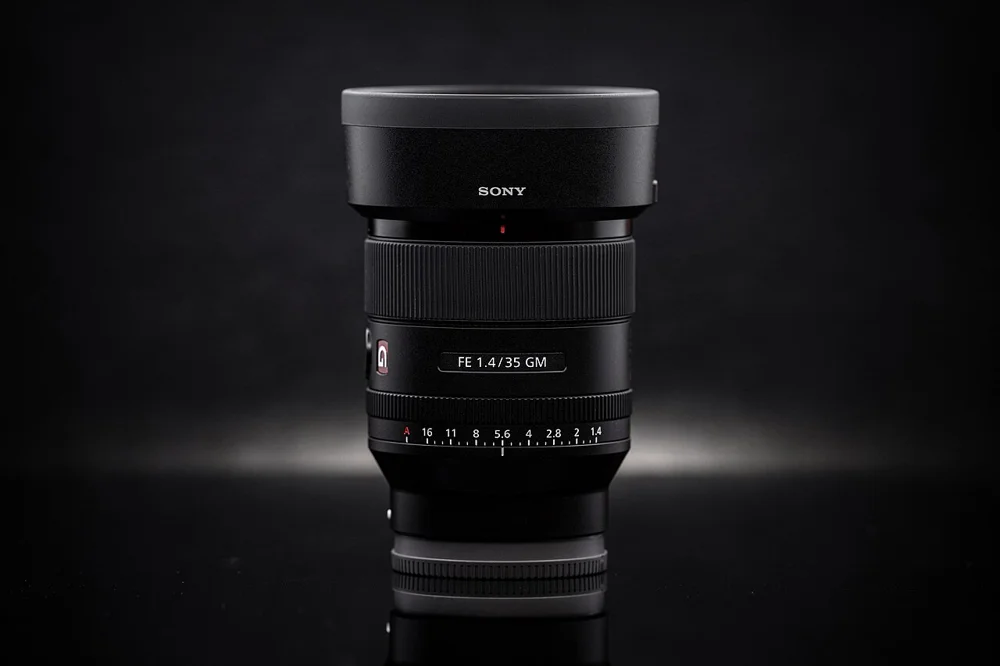

The Sony 35mm f/1.4 GM suits scene-setting and nearby people when its fixed view works. Its wider maximum aperture gives you another exposure choice compared with the f/2.8 telephoto zoom. Quiet focus and body-specific burst behavior still need separate checks; no reception advantage has been tested here.
DPReview describes a somewhat front-heavy feel on recent Alpha bodies. Try the balance on your camera if possible, and check that the listing is for the GM, not the older Zeiss Distagon 35mm.
Buying criteria
Map the coverage gaps in your own mount
Write down the moments you cannot currently frame. General coverage may need a standard zoom; a ceremony from the back may need a telephoto; nearby reception context may suit a 35mm prime. The Canon lane contains both standard and telephoto zooms. The Nikon and Sony lanes here contain telephoto zooms and primes only. Research a standard zoom separately if your Nikon or Sony kit needs one.
Balance lens changes against fixed framing
A zoom can reduce lens changes when the action moves quickly. A prime gives a wider maximum aperture but asks you to accept its view or change position. Ceremony rules and crowded rooms may limit movement. Decide which constraint hurts more in your work. Owning both does not remove the need to know which lens should be mounted before a moment begins.
Treat low light as an exposure problem
A wider aperture can help when light falls, while also limiting depth of field. A group at different distances may need a smaller aperture than one person. Stabilization cannot stop dancing or gestures. Check low-light autofocus, anti-flicker settings and flash compatibility for your exact equipment and venue; the sources here do not confirm those body-specific results.
Plan backup equipment
A spare body, batteries and a coverage plan are workflow choices. Two lenses alone do not provide a backup if the only camera fails. Check venue restrictions and discuss access before the event. Full-frame lenses on compatible APS-C bodies use a narrower view, which can make nearby group coverage harder. Confirm mount, generation and retailer availability before building a kit around a search result.
Frequently asked questions
Is a 35mm prime enough for a whole wedding?
It may suit a deliberate style, but this guide does not recommend it as universal coverage. A fixed view can struggle with distant ceremonies or restricted movement. Identify the photographs and access you need before deciding that one prime can replace a zoom kit.
Do these seven lenses make one kit?
No. Canon RF, Nikon Z and Sony E are separate mounts. The Canon lane contains a standard zoom, telephoto zoom and 35mm prime. Nikon and Sony have narrower coverage here. No adapters or complete cross-system wedding kit are verified.
Should I buy the telephoto or standard zoom first?
Buy the missing view. For Canon general coverage the 24-70mm is the starting recommendation; distant ceremony restrictions can make a 70-200mm the next priority. Nikon and Sony owners should research a standard zoom separately if they lack general coverage.
Does f/1.4 solve every dark reception?
No. A wider aperture lets in more light but reduces depth of field, the zone that appears sharp. Subject motion, camera performance and lighting still matter. You still need to plan for dancing and flickering lights rather than relying on the prime alone.
Sources and specifications
- Canon RF24-70mm F2.8 L IS USM: Canon specifications, Digital Camera World review.
- Canon RF70-200mm F2.8 L IS USM: Canon specifications, Cameralabs review.
- Nikon NIKKOR Z 70-200mm f/2.8 VR S: Nikon specifications, Cameralabs review.
- Sony FE 70-200mm F2.8 GM OSS II SEL70200GM2: Sony specifications, Amateur Photographer review.
- Canon RF35mm F1.8 Macro IS STM: Canon specifications, Cameralabs review.
- Nikon NIKKOR Z 35mm f/1.8 S: Nikon specifications, Photography Life review.
- Sony FE 35mm F1.4 GM SEL35F14GM: Sony specifications, DPReview review.
Related guides
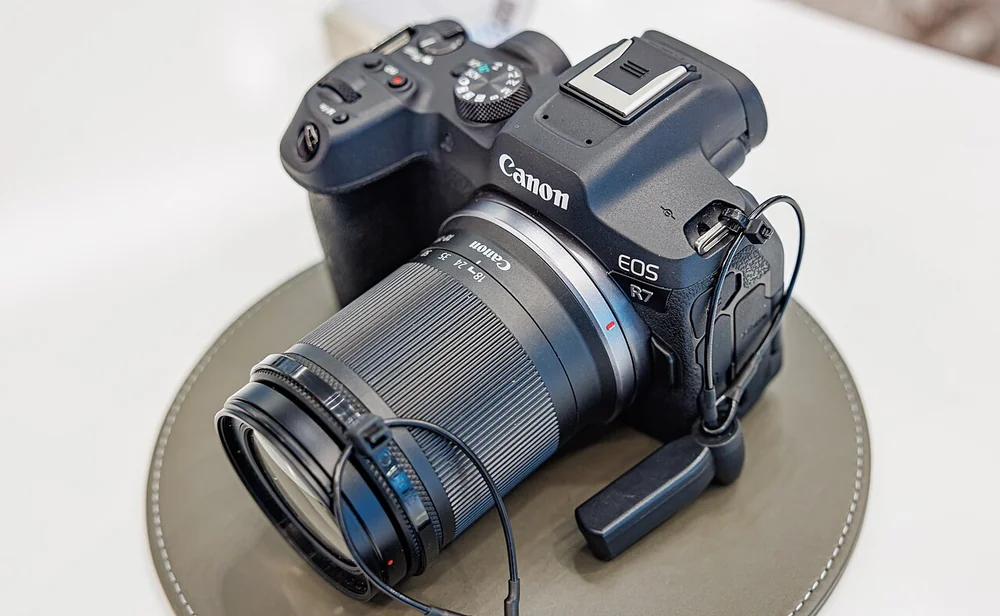
Best lens for wildlife photography
Compare seven Canon RF, Sony E and Nikon Z wildlife lenses by subject distance, daylight aperture, carrying demands and sourced drawbacks. Mounts are separate choices.
Best lens for macro photography
Compare seven native-mount macro lenses reaching at least 1:1, with sensor coverage, stabilization caveats and body-specific focus-stacking limits.
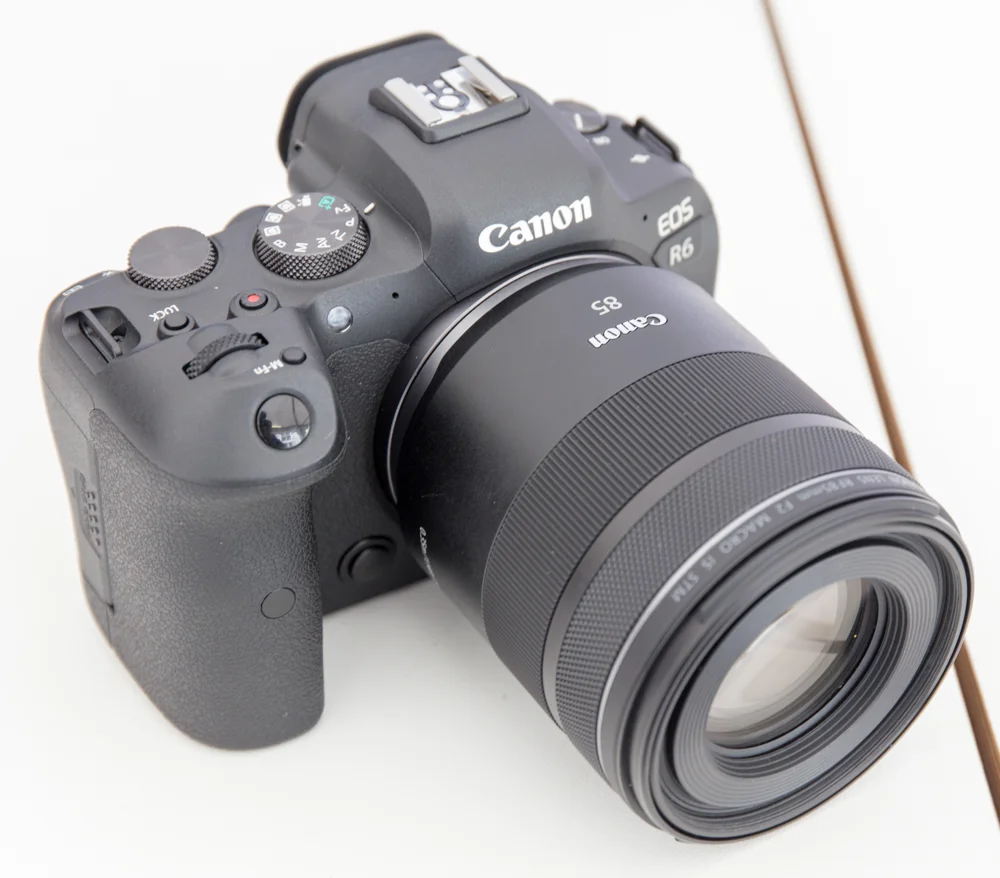
Best lens for food photography
Compare seven Canon RF, Nikon Z and Sony E food lenses for tabletop framing, overhead space and macro detail, with sourced tradeoffs.