
Best lens for landscape photography
Start with the wide zoom in your native mount, then decide whether a narrower prime or standard zoom better suits the scenes you photograph.
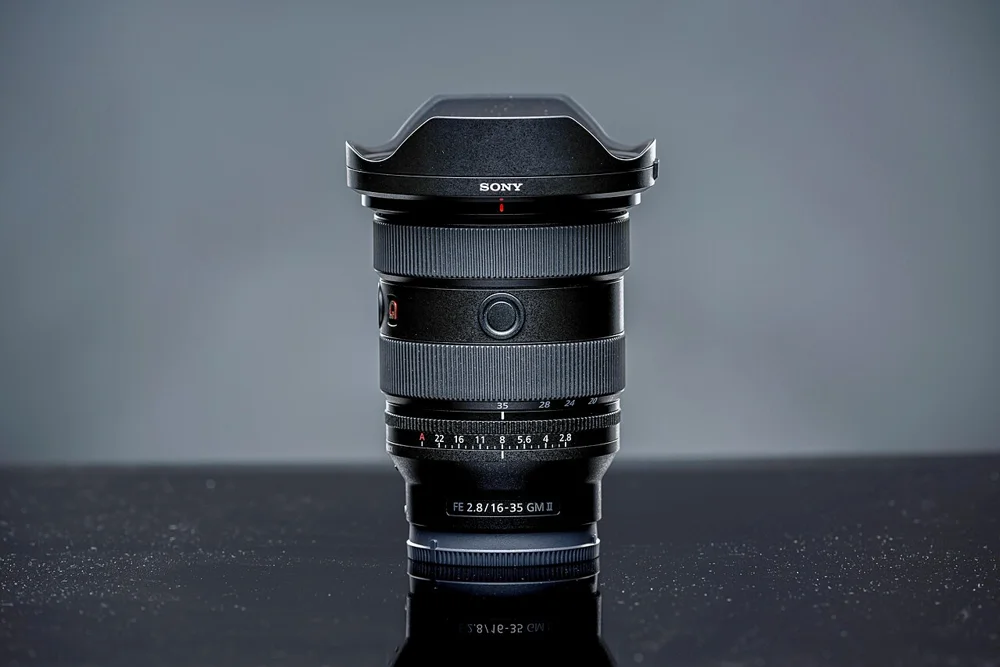

For a full-frame landscape kit, start with the wide zoom in your own mount: Canon RF15-35mm F2.8 L IS USM, Nikon NIKKOR Z 14-24mm f/2.8 S or Sony FE 16-35mm F2.8 GM II SEL1635GM2. The Sony E Sigma 14-24mm is another wide-zoom lane. Choose the Canon 24-70mm or a Sony E 24mm or 35mm prime instead when your photographs need selective framing rather than the widest possible foreground.
An ultra-wide lens suits a close foreground, but it can leave a distant hillside pattern too small. A narrower view may exclude clutter more effectively. Think about the photographs you want, the filters you use and the kit you will carry on a hike before deciding how wide to go.
These recommendations draw on manufacturer specifications and independent reviews. They are not a measured ranking of corner sharpness, weather resistance or star performance.
We may earn a commission from qualifying purchases through the Amazon.com links. They open exact-model searches, not verified listings. Check model, mount, generation, condition, accessories, seller authorization, regional warranty and delivery to your address. Current prices and stock are unverified, and Amazon.com may not deliver to every country.
For body selection, compare the landscape camera guide. If the kit must travel on foot, the travel camera guide helps separate camera choices from the weight of the lenses and filters you will carry.
Compare the seven picks
| Exact product and affiliate search | Native mount and coverage | Focal length | Maximum aperture | Best-fit job |
|---|---|---|---|---|
| Canon RF15-35mm F2.8 L IS USM | Canon RF, full frame | 15-35mm | f/2.8 constant | Canon wide landscape zoom |
| Nikon NIKKOR Z 14-24mm f/2.8 S | Nikon Z, full frame FX | 14-24mm | f/2.8 constant | Nikon ultra-wide landscape zoom |
| Sony FE 16-35mm F2.8 GM II SEL1635GM2 | Sony E, full frame FE | 16-35mm | f/2.8 constant | Sony wide-to-35mm zoom |
| Sigma 14-24mm F2.8 DG DN Art Sony E | Sony E, full frame FE | 14-24mm | f/2.8 constant | Sony E ultra-wide alternative |
| Sigma 24mm F1.4 DG DN Art Sony E | Sony E, full frame FE | 24mm | f/1.4 | Sony E fixed 24mm composition |
| Sony FE 35mm F1.4 GM SEL35F14GM | Sony E, full frame FE | 35mm | f/1.4 | Sony environmental detail prime |
| Canon RF24-70mm F2.8 L IS USM | Canon RF, full frame | 24-70mm | f/2.8 constant | Canon general landscape zoom |
Check your mount and sensor first
Canon RF lenses cover full frame and give a narrower view on RF APS-C. They do not fit EF DSLRs or EOS M. EF-to-RF adapters do not work in reverse.
Nikon Z lenses cover FX and give a narrower view on Z DX. They are not F DSLR lenses. FTZ does not adapt Z lenses to F bodies.
Sony E entries cover FE full frame and give a narrower view on E APS-C. A-mount is excluded. Sigma entries are Sony E DG DN, not L-Mount or DG HSM.
No adapted use or teleconverter combination is verified. Physical focal length and f-number do not become sensor-equivalent values. Native fit is not an exhaustive body or firmware approval.
Which lens fits your job?
1. Canon RF15-35mm F2.8 L IS USM
Product photo loads from Amazon when available.
Choose the RF15-35mm when you want to compose a wide foreground without committing to one fixed focal length. The range also lets you tighten the composition before switching lenses. It cannot cover distant details beyond 35mm, so a one-lens walking kit may call for the 24-70mm instead.
Its constant f/2.8 maximum aperture stays available across the range. That gathers less light than f/1.4 astro primes, so consider any separate low-light use before choosing it as your only lens. The zoom’s strength here is adjustable composition, not reach beyond 35mm.
2. Nikon NIKKOR Z 14-24mm f/2.8 S
Product photo loads from Amazon when available.
Choose the Nikon Z14-24mm for adjustable wide framing that reaches 14mm, especially when a close foreground belongs in the scene. Its constant f/2.8 opening is an exposure option, not a reason to shoot every landscape with the aperture fully open.
Amateur Photographer reports that the HB-97 hood is not light-tight with 112mm screw-in filters and describes the control ring as very sensitive. Check the exact hood and filter setup before planning filtered long exposures.
3. Sony FE 16-35mm F2.8 GM II SEL1635GM2
Choose the exact GM II when you want a Sony E zoom that reaches 35mm without a lens change. That longer end can make a foreground-heavy kit more flexible. Its lack of optical stabilization means you must check your own body rather than assume all Alpha bodies compensate.
The Digital Picture reports no optical stabilization. If you depend on stabilization for handheld stationary scenes, check whether your body has IBIS, or in-body image stabilization. Not every E-mount body does. Match GM II and SEL1635GM2.
4. Sigma 14-24mm F2.8 DG DN Art Sony E
Product photo loads from Amazon when available.
Choose the Sigma when 14mm framing and a wide zoom are the priority in Sony E. Its lack of a front filter thread affects kit planning. Do not order a normal screw-in filter on the assumption that every landscape lens accepts one on the front.
Digital Camera World also reports noticeable uncorrected barrel distortion, which bows straight lines outward. Check your RAW editor’s correction support before judging the final view. This recommendation is for the Sony E DG DN Art version.
5. Sigma 24mm F1.4 DG DN Art Sony E
Product photo loads from Amazon when available.
Choose the Sigma 24mm if that is the view you want and f/1.4 has a separate low-light use in your kit. A prime has one focal length, so changing the composition means moving or switching lenses. It includes less of a broad scene than 14mm.
The wide opening is an exposure choice, not evidence of better stopped-down landscape sharpness or better-shaped stars in the corners. Buy for the composition first.
6. Sony FE 35mm F1.4 GM SEL35F14GM
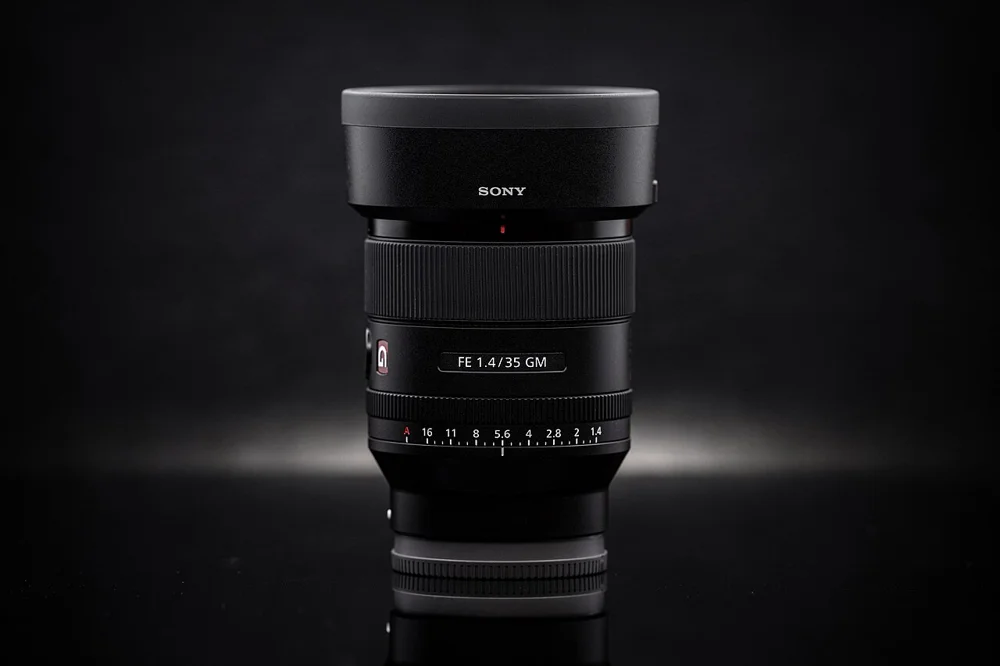

Choose 35mm when a wide scene contains too much empty space and you want a more selective composition. You get an f/1.4 maximum aperture, but cannot substitute its view for 14mm at a confined viewpoint.
DPReview describes a somewhat front-heavy feel on recent Alpha bodies. Check the balance with your own camera if possible. This is the F1.4 GM, not the older Zeiss Distagon 35mm.
7. Canon RF24-70mm F2.8 L IS USM
Product photo loads from Amazon when available.
The 24-70mm is the Canon choice for switching between broader scenes and tighter details on the same walk. It sacrifices ultra-wide coverage. That can be the right trade when the composition is a ridge, tree or pattern rather than an exaggerated close foreground.
At 24mm it cannot match the ultra-wide foreground coverage of 14-15mm. Its constant f/2.8 maximum aperture also admits less light than the f/1.4 primes here. Accept those limits if the range through 70mm better matches what you photograph.
Buying criteria
Decide what belongs in the frame
Wide does not automatically mean more useful. At an open viewpoint, a very wide lens can fill the image with empty sky and foreground while shrinking the distant subject. A 35mm prime or the longer end of a 24-70mm can remove distractions. Choose an ultra-wide when the foreground genuinely contributes to the picture or the viewpoint leaves little room to step back.
Plan the filter workflow before ordering
The Sigma 14-24mm has no front filter thread according to the independent review. Nikon’s 14-24mm has a specific hood and large-filter arrangement, with a reported light-tightness concern for the HB-97 setup. Check the exact holder, hood and filter instructions rather than assuming your existing filters transfer. A lens that requires different filter equipment changes both packing and purchase planning.
Carry the range you will actually use
A wide zoom lets you alter composition from a fixed viewpoint. A prime asks you to accept one view or change your position, which a cliff edge or trail may not allow. The f/1.4 primes here offer a wider maximum aperture, but that does not establish a weight advantage or a measured image-quality advantage over the zooms. Confirm current manufacturer specifications before building a hiking weight budget.
Evaluate corrected files in your editor
Lens corrections and cropping can affect the final view. The Sigma distortion caveat should prompt a check of your RAW software and profile support. Keep the camera level when the composition calls for straight lines, and do not confuse perspective changes with lens distortion. This guide does not make a comparative long-exposure, weather-sealing or astrophotography claim.
Frequently asked questions
Do landscapes require an ultra-wide lens?
No. Ultra-wide framing works when the foreground contributes and the scene suits it. The 24-70mm and 35mm options deliberately serve more selective views. The best focal length depends on what you want to exclude as much as what you want to include.
Should I choose f/1.4 instead of f/2.8?
Only if the wider maximum aperture solves a separate need. It is not a ranking of stopped-down landscape quality. Consider framing and filter use first. This evidence does not support a claim that a fast prime is automatically sharper or better for stars.
Do my screw-in filters fit every pick?
No. The Sigma 14-24mm lacks a front filter thread, and the Nikon 14-24mm requires attention to its hood and filter setup. Verify exact sizes and accessory compatibility from the manufacturer. Do not buy a holder based on focal length alone.
Can I use these full-frame lenses on crop bodies?
Compatible RF, Z and E APS-C bodies use a narrower view. That can weaken the reason to buy an ultra-wide full-frame lens for a cramped viewpoint. The mount must still match; a crop sensor does not make the three mounts interchangeable.
Sources and specifications
- Canon RF15-35mm: Canon specifications, Cameralabs review.
- Nikon Z14-24mm: Nikon specifications, Amateur Photographer review.
- Sony 16-35mm GM II: Sony specifications, The Digital Picture review.
- Sigma 14-24mm Sony E: Sigma specifications, Digital Camera World review.
- Sigma 24mm Sony E: Sigma specifications, Cameralabs review.
- Sony 35mm GM: Sony specifications, DPReview field review.
- Canon RF24-70mm: Canon specifications, Digital Camera World review.
Related guides
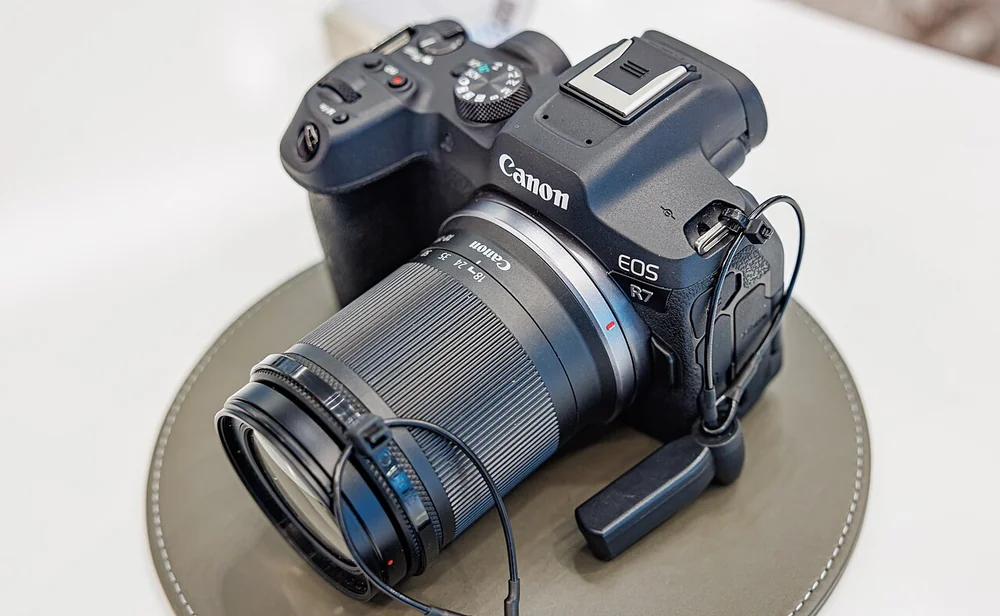
Best lens for wildlife photography
Compare seven Canon RF, Sony E and Nikon Z wildlife lenses by subject distance, daylight aperture, carrying demands and sourced drawbacks. Mounts are separate choices.
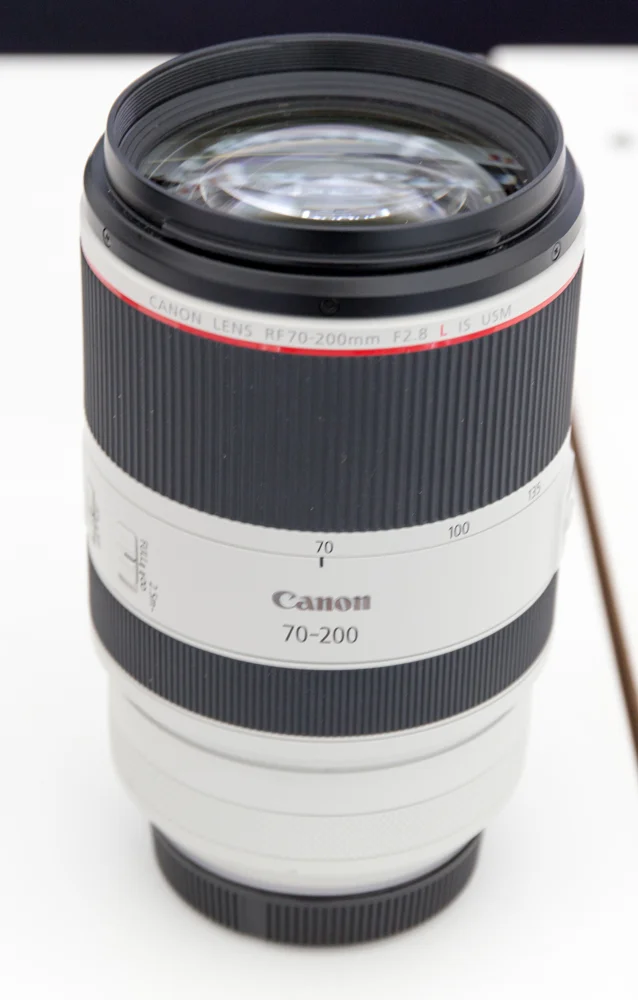
Best lens for wedding photography
Compare seven Canon RF, Nikon Z and Sony E wedding lenses for general coverage, distant ceremonies and environmental portraits.
Best lens for macro photography
Compare seven native-mount macro lenses reaching at least 1:1, with sensor coverage, stabilization caveats and body-specific focus-stacking limits.