
Best lens for real estate photography: seven full-frame wide zooms
Choose within your mount first: compare Canon's RF15-35mm and RF14-35mm, Nikon's Z14-24mm and Z14-30mm, or the Sony E wide-zoom options by workflow.
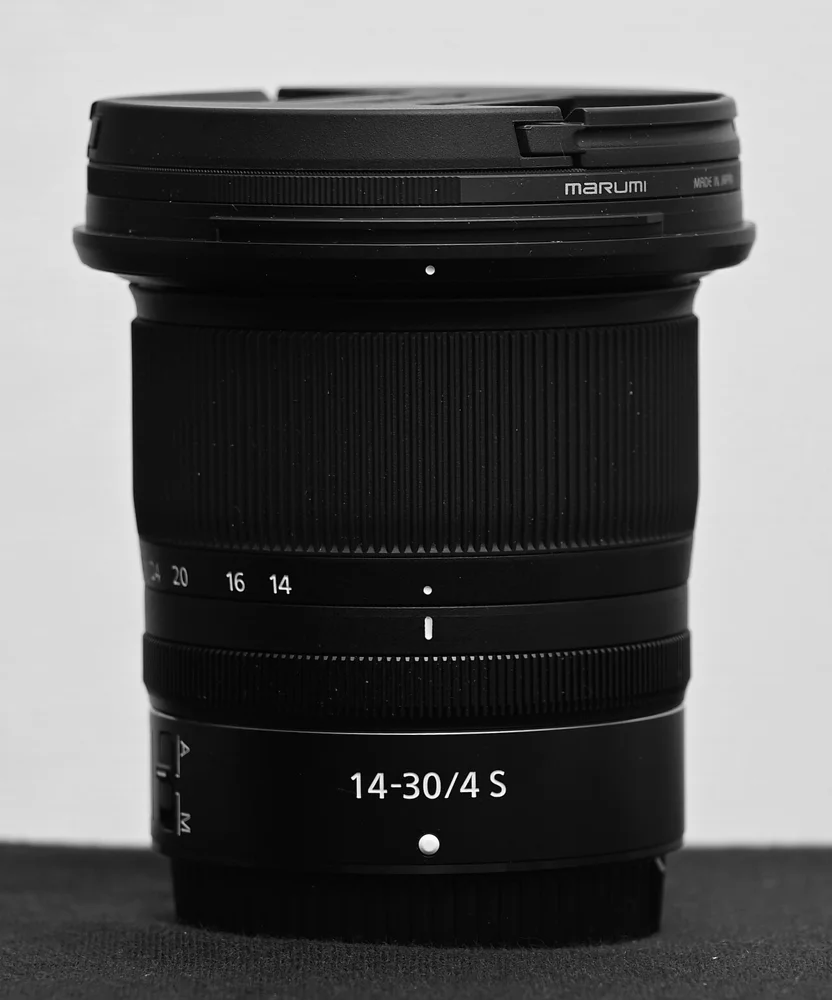

For full-frame interiors, start by comparing the two wide zooms in your mount. Canon RF owners have the RF15-35mm F2.8 and RF14-35mm F4; Nikon Z owners have the Z14-24mm f/2.8 and Z14-30mm f/4. On Sony E, choose between the two 16-35mm options and the wider Sigma 14-24mm according to the rooms you photograph and the software you use to correct the files.
A wider maximum aperture lets in more light, but it cannot fit more of a room into the frame. RF APS-C, Nikon DX Z and Sony APS-C E bodies give a narrower view with these lenses. This shortlist is aimed at full frame, not seven universal APS-C interior choices.
The Canon lenses are RF, not native fits for EF or EF-S DSLRs or EOS M. Nikon’s Z lenses cover FX full frame and do not fit F-mount DSLRs; FTZ does not work in reverse. The Sony-system lenses are E mount with FE full-frame coverage, not A-mount. Buy the Sigma in Sony E DG DN, not L-Mount or DG HSM. No adapted use is verified.
These recommendations draw on manufacturer specifications and independent reviews.
We may earn a commission from qualifying purchases through the Amazon.com links. They open exact-model searches, not verified listings. Check mount, generation, model, condition, accessories, seller authorization, regional warranty and delivery to your address. Current prices and stock are unverified, and Amazon.com may not deliver to every country.
If you also photograph outdoor spaces, the landscape camera guide addresses body selection separately. Its camera recommendations do not establish lens correction support or native-mount fit.
Compare the seven wide zooms
Compare framing first, then aperture and handling. Every row covers full frame within its named mount. Sources are collected at the end.
| Lens | Native mount | Main reason to choose | Main caution |
|---|---|---|---|
| Canon RF15-35mm F2.8 L IS USM | Canon RF | f/2.8 and framing through 35mm | No range beyond 35mm |
| Canon RF14-35mm F4 L IS USM | Canon RF | 14mm endpoint through 35mm | Correction workflow deserves scrutiny |
| Nikon NIKKOR Z 14-24mm f/2.8 S | Nikon Z | 14mm and f/2.8 | Hood and filter light-leak warning |
| Nikon NIKKOR Z 14-30mm f/4 S | Nikon Z | Range through 30mm at f/4 | Extend retracting design before use |
| Sony FE 16-35mm F2.8 GM II SEL1635GM2 | Sony E | f/2.8 and range through 35mm | No optical stabilization |
| Sony FE PZ 16-35mm F4 G SELP1635G | Sony E | Alternative 16-35mm at f/4 | No optical stabilization |
| Sigma 14-24mm F2.8 DG DN Art Sony E | Sony E | Wider endpoint than the 16-35mm choices | Uncorrected barrel distortion; no front filter thread |
Canon RF15-35mm F2.8 L IS USM for a mixed-use RF kit
Product photo loads from Amazon when available.
Choose the RF15-35mm for a kit that needs both wide room views and less expansive details without a lens change. Canon specifies 15-35mm and a constant f/2.8 maximum aperture, so the widest opening stays the same as you zoom. It gives you a wider opening than the RF14-35mm F4.
It starts at 15mm rather than 14mm and ends at 35mm. A wall behind the camera can make that wide-end difference more important than f/2.8. Cameralabs provides an independent review, but there is no comparative architectural corner-quality winner established here. Buy for the range and aperture you need rather than assuming f/2.8 makes every interior better.
Canon RF14-35mm F4 L IS USM for a 14mm starting point
Product photo loads from Amazon when available.
The RF14-35mm reaches 14mm while keeping 35mm at the long end. Canon specifies a constant f/4 aperture. Consider it if the wider view helps in your rooms and you do not need f/2.8.
F/4 is one stop slower than f/2.8, meaning it admits half as much light at the widest opening. Cameralabs also discusses substantial software processing behind the image. Check a corrected file in your intended RAW editor, including how correction changes the framing. An uncorrected RAW and a corrected output are different things to judge; no numerical distortion or corrected-corner result is established here.
Nikon Z 14-24mm f/2.8 S for the wider, faster Z option
Product photo loads from Amazon when available.
Pick the Z14-24mm when you need both 14mm framing and f/2.8 in Nikon Z mount. Nikon specifies a constant f/2.8 opening. You give up the Z14-30mm’s longer end, which may be useful for a tighter room detail.
Amateur Photographer reports a very sensitive control ring and warns that the HB-97 hood is not light-tight with 112mm screw-in filters. Verify that setup if you use filtered long exposures; the warning does not apply to every ordinary interior photograph. This lens is not a tilt-shift recommendation and carries no promise of automatic vertical correction.
Nikon Z 14-30mm f/4 S for more range within the Z lane
Check Nikon NIKKOR Z 14-30mm f/4 S on Amazon.com
The Z14-30mm keeps the 14mm starting point and extends to 30mm, with a constant f/4 maximum aperture specified by Nikon. It suits a room overview followed by a tighter composition without changing lenses.
You give up one stop compared with f/2.8. Cameralabs also notes the retracting design, which you must extend before shooting. Include that in your setup routine. For tripod-based stills, decide how often you need the alternative’s wider opening; do not assume a measured speed or weight advantage from the f/4 designation.
Sony FE 16-35mm F2.8 GM II for range through 35mm
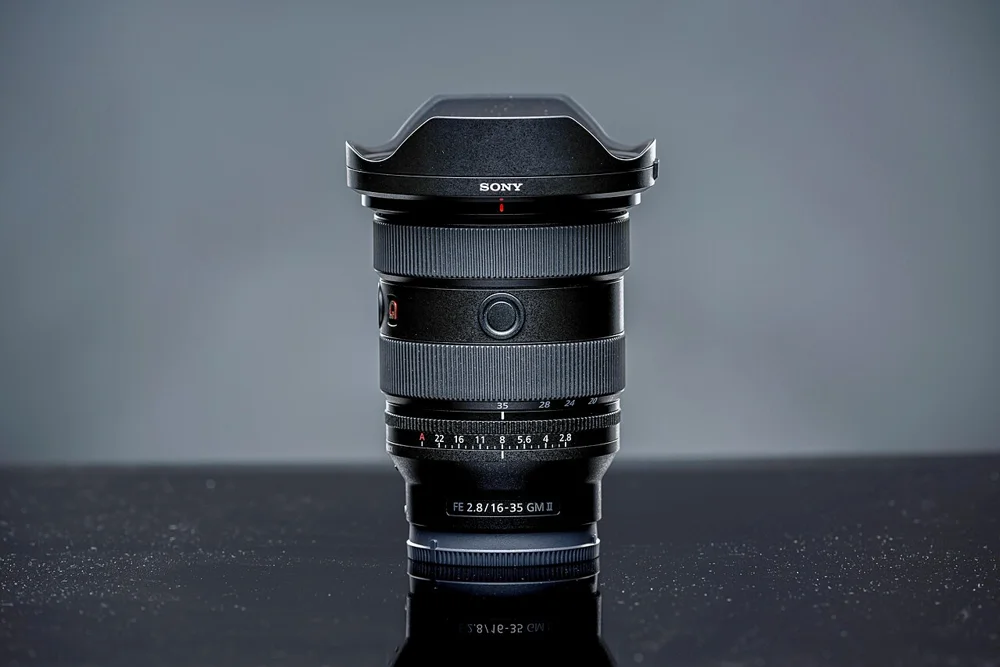

Check Sony FE 16-35mm F2.8 GM II SEL1635GM2 on Amazon.com
Choose the GM II if you need 16-35mm framing and a constant f/2.8 opening in Sony E mount, as specified for SEL1635GM2. It reaches farther than the Sigma at the long end, but 16mm includes less of the room than 14mm on the same sensor.
The Digital Picture reports no optical stabilization. Check whether your body supplies stabilization rather than assuming every E-mount camera does. Match GM II and SEL1635GM2, not the first-generation GM. Neither the aperture nor the GM badge establishes better corners across brands or straighter corrected verticals.
Sony FE PZ 16-35mm F4 G for a different 16-35mm choice
Product photo loads from Amazon when available.
The PZ F4 G is the other native Sony 16-35mm option here if you do not need f/2.8. Sony specifies a constant f/4 maximum aperture for SELP1635G. You keep the range while giving up one stop of light at the widest opening.
Cameralabs reports no optical stabilization, so check the intended body’s support. This is the PZ F4 G, not the ZA OSS lens. For a property walkthrough video, check exact-body handling separately; this stills recommendation does not promise smooth video merely because the lens has power zoom.
Sigma 14-24mm F2.8 DG DN Art Sony E for wider Sony-system framing
Product photo loads from Amazon when available.
The Sigma reaches 14mm on a Sony E full-frame body, where the two Sony zooms begin at 16mm. Sigma specifies 14-24mm and constant f/2.8 for A019. You gain wider room coverage but give up the Sony lenses’ range through 35mm.
Digital Camera World reports noticeable uncorrected barrel distortion, which bows straight lines outward, and no front filter thread. Verify correction support in your editor and any filter setup you need. Buy Sony E DG DN Art, not another mount or DG HSM. The uncorrected output is not distortion-free.
Buy around the delivered room photograph
Begin with the camera you own. Cross-system options are separate lanes, not a reason to imply seven lenses can share one body. Then list the rooms that cause trouble and the positions you can actually use. Choose the wide endpoint for those compositions, not to make every room look as large as possible. A less expansive frame may describe a space more honestly.
Plan a level-camera composition for straight verticals, then check what your final correction and crop do to the frame. Wide zooms do not replace a tilt-shift workflow, and no tilt-shift recommendation is verified here. A correction profile also is not a license to promise that every edge or corner looks identical across lenses.
For tripod work, settle exposure and bracketing before paying mainly for maximum aperture. Bracketing means taking a sequence at different exposures. People, moving objects and handheld photographs add separate constraints. Request a representative corrected file in your intended software before judging architectural corner quality or relying on stabilization.
Questions to settle before purchase
Are these recommendations suitable for APS-C interiors?
Not universally. The lenses cover full frame, but crop bodies give a narrower field of view. Confirm that the widest endpoint gives enough room coverage on your camera.
Do I need f/2.8 for every property assignment?
No. Choose it for a specific exposure or mixed-use requirement. If your planned stills workflow does not need it, compare the range and documented drawbacks of the f/4 options.
Will a wide lens automatically keep verticals straight?
No automatic correction promise is established here. Plan camera position and evaluate your correction workflow. These picks are not verified tilt-shift recommendations.
Can I attach an ordinary front filter to the Sigma?
Digital Camera World reports no front filter thread. Check an exact-model filter arrangement rather than assuming a standard screw-in setup.
Sources and specifications
- Canon RF15-35mm: Canon specifications, Cameralabs review.
- Canon RF14-35mm: Canon specifications, Cameralabs review.
- Nikon Z14-24mm: Nikon specifications, Amateur Photographer review.
- Nikon Z14-30mm: Nikon specifications, Cameralabs review.
- Sony 16-35mm GM II: Sony specifications, The Digital Picture review.
- Sony PZ 16-35mm: Sony specifications, Cameralabs review.
- Sigma 14-24mm Sony E: Sigma specifications, Digital Camera World review.
Related guides
Best lens for wildlife photography
Compare seven Canon RF, Sony E and Nikon Z wildlife lenses by subject distance, daylight aperture, carrying demands and sourced drawbacks. Mounts are separate choices.
Best lens for wedding photography
Compare seven Canon RF, Nikon Z and Sony E wedding lenses for general coverage, distant ceremonies and environmental portraits.
Best lens for macro photography
Compare seven native-mount macro lenses reaching at least 1:1, with sensor coverage, stabilization caveats and body-specific focus-stacking limits.