
Best camera for portraits: choose for the session, not skin-tone claims
Start with the Canon EOS R50 for learning portraits, or the Sony a7R V for resolution-led studio work. Choose the portrait lens and verify the lighting system before buying the body.
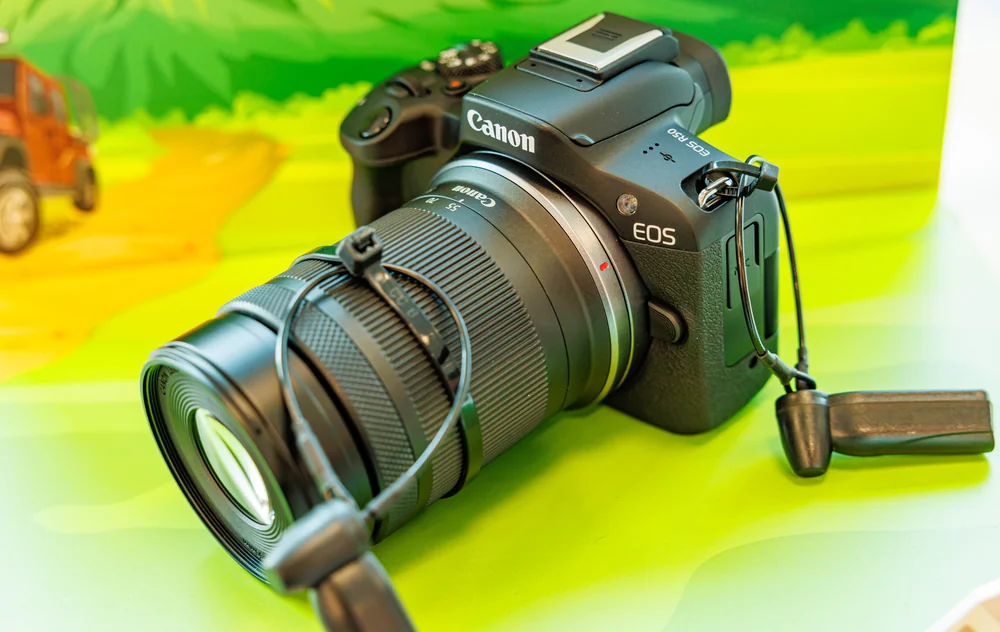

Start with the Canon EOS R50 if you are learning portraits. Leave room in the budget for a lens and lighting rather than spending it all on the body. Its 24.2 MP APS-C sensor is a sensible starting point, but the small controls and lack of in-body stabilization are reasons to try it before buying.
Choose the Sony a7R V if you have a specific need for detailed 61 MP files, such as controlled studio work with substantial cropping. More pixels do not promise better skin colour. Lighting, lens choice and how you direct the person still need attention.
A patient sitter and a moving child ask different things of a camera. Decide how much your subjects move, how much room you have and whether you will use flash. Those answers will narrow the choice more usefully than sensor size alone.
This guide uses manufacturer specifications and independent reviews. We may earn a commission from qualifying purchases through the Amazon.com links. These are body-only recommendations. Check the model, contents, condition, seller, delivery date and regional warranty before ordering.
Compare by portrait workflow
| Camera | Session fit | Main purchase question or compromise |
|---|---|---|
| Canon EOS R50 | Learning controlled portraits, 24.2 MP APS-C | No body stabilization; cramped controls; verify the proposed lens and flash |
| Canon EOS R6 Mark II | Full-frame sessions with movement, 24.2 MP | Fast electronic RAW is 12-bit; dual slots do not verify a backup configuration |
| Nikon Zf | 24.5 MP full-frame portraits with stabilization | No autofocus joystick; SD and microSD need separate handling plans |
| Sony a7R V | Resolution-led work, 61 MP full frame | Review colour carefully; high pixel count is not skin-tone evidence |
| Fujifilm X-T5 | Detailed APS-C stills, 40.2 MP | Face/eye tracking trails competitors in the cited review |
| Fujifilm X-S20 | Stabilized APS-C session kit, 26.1 MP | One UHS-II slot cannot provide simultaneous dual-card backup |
| Panasonic Lumix S5II | Full-frame stills plus video, 24.2 MP | Video-heavy specifications may be wasted on stills-only sessions |
Choose the body for the session
Canon EOS R50 for learning without a resolution-first purchase
Check Canon EOS R50 on Amazon.com
The R50 suits learning with a patient subject while you practise posing and light placement. Its 24.2 MP APS-C sensor is the starting point; the lack of in-body stabilization means the sensor cannot compensate for hand movement. Plan the lens and support around that limitation.
DPReview found a small viewfinder, cramped controls and a limited buffer, the temporary storage used during bursts. These are more troublesome in a fast-changing session than with a sitter who can pause. Try the grip and controls before deciding.
RF and RF-S lenses fit natively. EF and EF-S need an EF-EOS R adapter; EF-M lenses are incompatible. Check the exact flash or trigger too, rather than assuming it works because it is sold for Canon.
Canon EOS R6 Mark II for full-frame sessions with moving subjects

Check Canon EOS R6 Mark II on Amazon.com
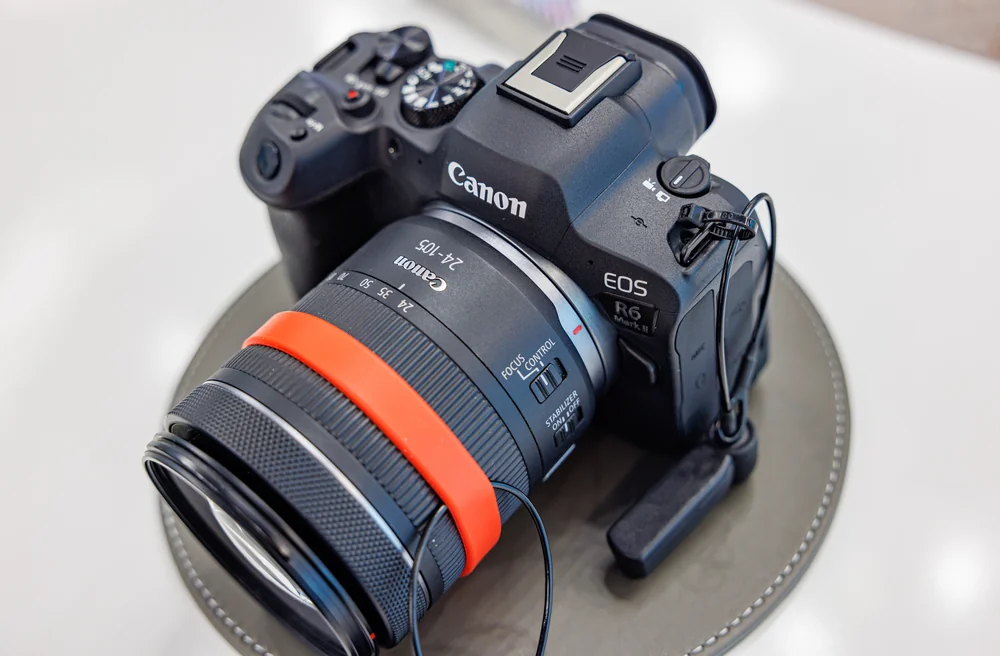
Choose the R6 Mark II for a full-frame RF kit when portraits involve movement. DPReview records 24.2 MP, two UHS-II SD card slots and 12 frames per second with the mechanical shutter. That burst option is useful to consider for walking subjects or children changing position.
The fastest electronic burst reaches 40 fps but captures RAW at 12-bit, with less tonal information than higher-bit-depth files. You do not need to make maximum speed your default for portraits. Choose the shutter mode that suits the session, confirm flash support, and set up simultaneous card recording if your backup plan requires it.
Nikon Zf if its controls suit the way you direct people
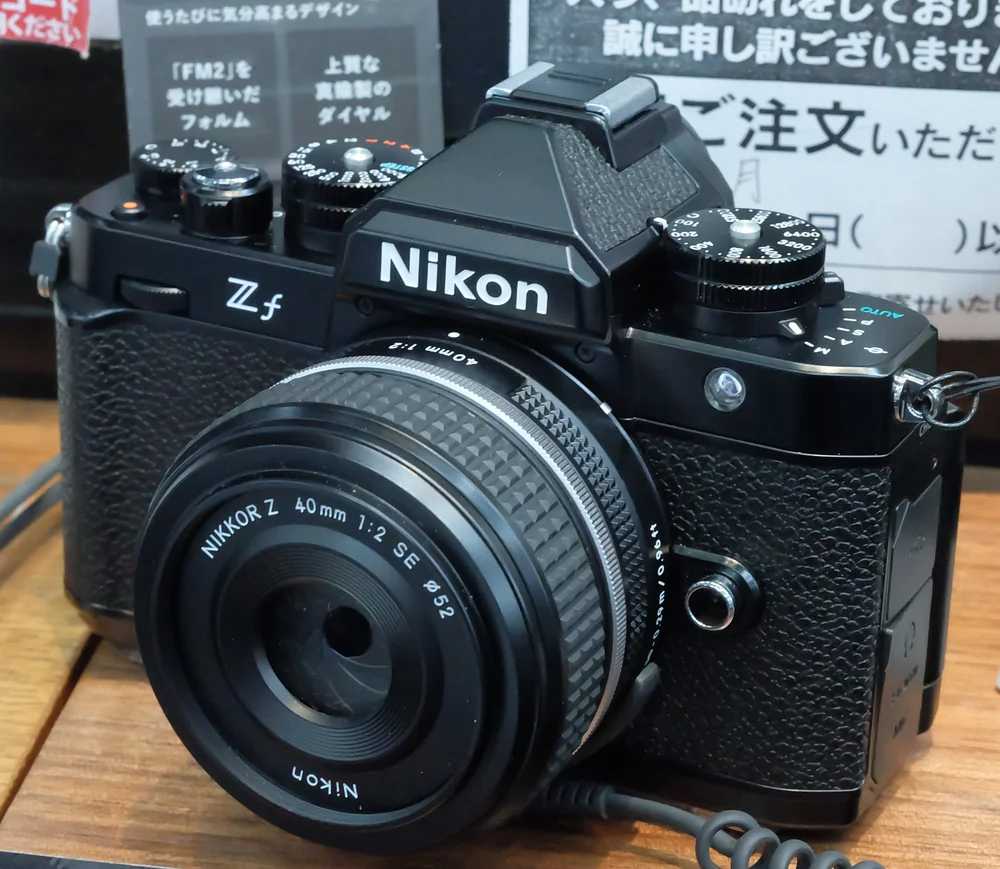

Consider the Zf for available-light portraits if its controls feel comfortable. Nikon specifies a 24.5 MP full-frame sensor and five-axis stabilization, which moves the sensor to compensate for camera shake. Try changing the focus position while still paying attention to your subject.
DPReview found handling less fluid than the Z6 series because there is no autofocus joystick. That is a good reason to handle both styles before choosing. The Zf uses SD and microSD cards, so plan for both formats and check the recording settings you need. Nikon DX lenses crop the view; adapted F-mount lenses need an autofocus compatibility check.
Sony a7R V for a defined high-detail deliverable
.jpg)
Check Sony a7R V on Amazon.com
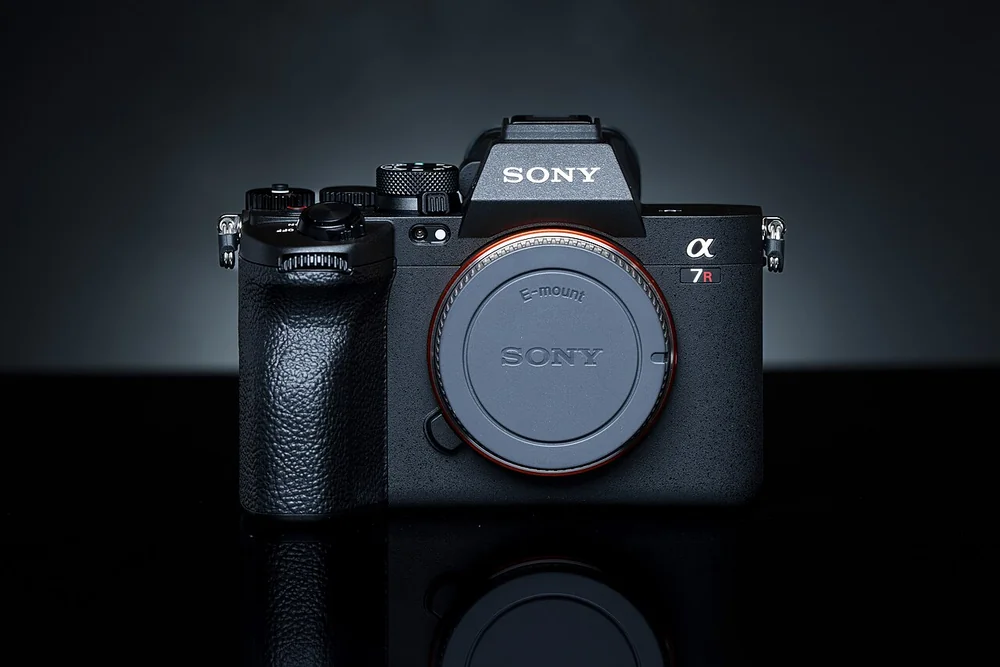
The a7R V is the choice for a session that needs high-resolution files. Sony lists 61 MP, in-body stabilization and subject-recognition autofocus. Choose it for a defined output or cropping need, then check that editing and storing representative files fits your workflow.
Amateur Photographer reported occasional automatic white-balance colour casts. White balance affects how warm or cool the photograph looks, so check it throughout the session as lighting changes. Resolution will not settle colour decisions for you. Use FE lenses for full-frame coverage; APS-C E lenses crop the image.
Fujifilm X-T5 for detailed, controlled APS-C portraits
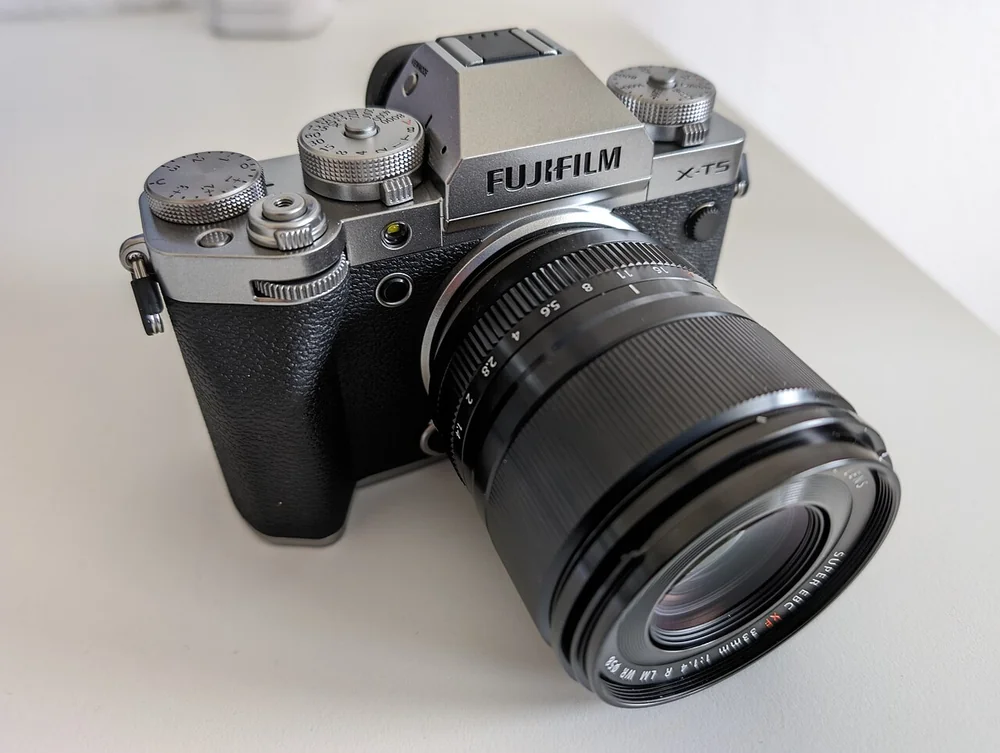

Check Fujifilm X-T5 on Amazon.com
Choose the X-T5 for detailed, controlled portraits if you prefer Fujifilm’s X system. Its 40.2 MP APS-C sensor and five-axis stabilization suit a session where you can pause, check focus and adjust your direction.
DPReview found tracking and face/eye autofocus behind competing systems. That makes it less appealing if most of your portraits involve restless children. For a cooperative sitter, lens choice and handling deserve more weight. XF and XC lenses fit natively; GFX lenses do not.
Fujifilm X-S20 for a stabilized session kit with lower resolution
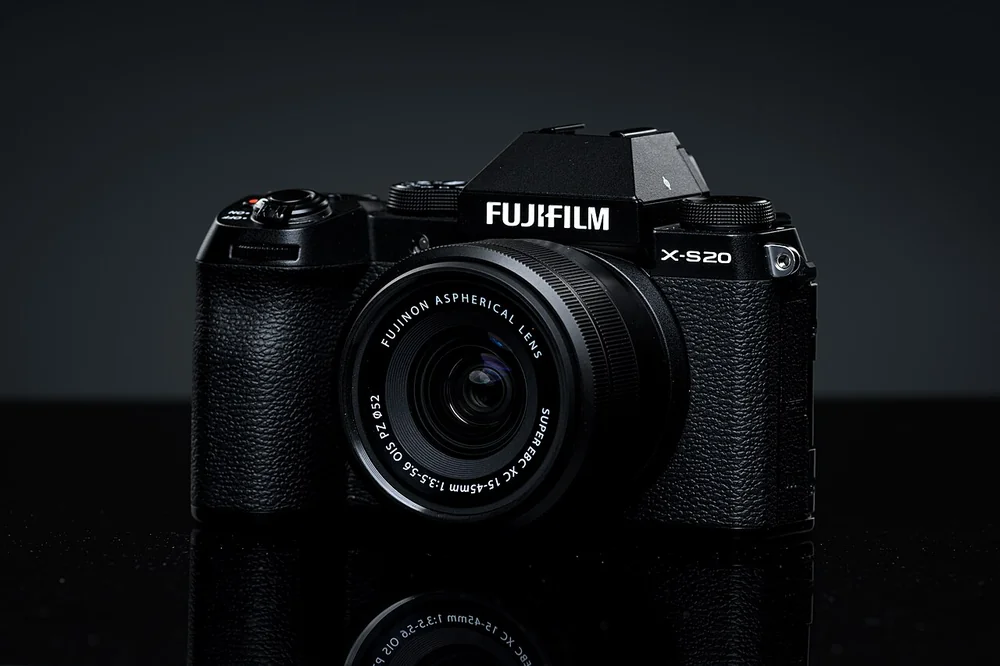

Check Fujifilm X-S20 on Amazon.com
Pick the X-S20 if you want a stabilized X-mount kit and do not need the X-T5’s higher pixel count. Fujifilm lists 26.1 MP and five-axis sensor-shift stabilization. Its focus bracketing takes frames at different focus distances, but that is not a useful reason to buy it for a moving portrait subject.
PCMag notes one UHS-II card slot, so there is no simultaneous backup to a second card. Rule it out if that is a requirement for your paid work. The review also flags its small micro HDMI connector, which deserves care if you connect the camera for video.
Panasonic Lumix S5II for portraits that also require video
.jpg)
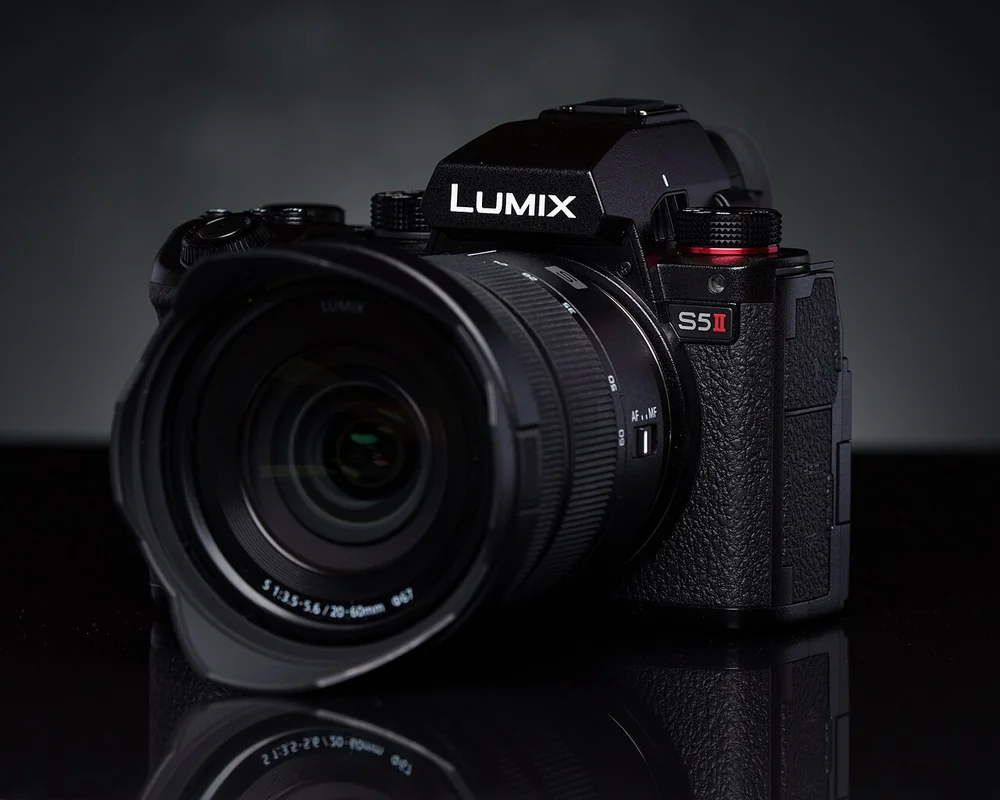
Check Panasonic Lumix S5II on Amazon.com
The S5II makes sense when a portrait session also needs video. Panasonic specifies a 24.2 MP full-frame sensor, phase hybrid autofocus and two UHS-II SD slots. Its hybrid focus system combines focusing methods, but you still need to check the flash, tethering and recording settings for your own setup.
TechRadar questions the value of its video-heavy feature set for stills-only buyers. If you never deliver footage, compare the complete lens-and-lighting package against the other choices. Use full-frame L-mount lenses and check that you are ordering the S5II, not the S5IIX or original S5.
Make the purchase around portraits
Choose working distance before chasing background blur
Write down whether you photograph one person, couples or groups, and how much room your location allows. Pick a field of view that lets you communicate comfortably and include the intended composition. Verify exact lens options rather than assuming every system offers the same choice at the same cost. Our Canon portrait lens guide and Nikon portrait lens guide explain native RF and Z choices. Account for APS-C framing before using either to plan a kit.
Check the lighting chain as a complete system
List the body, trigger, flash, firmware and intended shutter mode. Confirm the exact combination in documentation before ordering it. This research does not verify flash compatibility, sync limits or tethering. An attractive camera specification cannot substitute for a supported lighting workflow.
Separate posing control from autofocus demands
A seated adult and a running child are different focus tasks. Ask whether you can pause to inspect sharpness or must keep photographing continuously. The X-T5 review warning is relevant here; no source in this library establishes a universal eye-autofocus winner. Try the intended workflow before paid use.
Decide how you will protect and deliver files
Choose a risk policy before buying. Verify simultaneous recording requirements if you need them, then plan card handling and off-camera copies. For resolution-led work, inspect your editing and delivery process with representative files. Neither megapixels nor slot count settles the whole session workflow.
Portrait buying questions
Do I need full frame for portraits?
Not as a blanket rule. This shortlist includes APS-C and full-frame branches. Lens framing, working distance, lighting and the required output should decide the system. No skin-tone advantage has been established for either format.
Which model is the resolution-led choice?
The a7R V has the highest stated pixel count here at 61 MP. Choose it when your output needs that resolution, not as a shortcut to better portraits.
Can I use my existing flash?
That remains unverified. Check the exact body, trigger and flash combination, firmware and intended shutter mode. Do not assume a familiar brand name proves compatibility.
Is the R50 a paid-studio recommendation?
It is our learning choice. DPReview’s control and buffer limitations matter in a busy session, and this guide does not verify a complete studio setup. Check the lighting equipment and practise the workflow before paid use.
Final choice and evidence limits
Start with the R50 lens-and-lighting plan if you are learning. Choose the a7R V only when detailed output is the point, or select one of the middle branches for its system and session requirements. Buying the body last is often the clearer decision.
Sources and specifications
- Canon EOS R50: Canon specifications, DPReview review.
- Canon EOS R6 Mark II: Canon specifications, DPReview review.
- Nikon Zf: Nikon specifications, DPReview review.
- Sony a7R V: Sony product page, Amateur Photographer review.
- Fujifilm X-T5: Fujifilm specifications, DPReview review.
- Fujifilm X-S20: Fujifilm specifications, PCMag review.
- Panasonic Lumix S5II: Panasonic product page, TechRadar review.
Related guides
Best camera for beginners: seven choices for learning photography
Compare seven beginner camera candidates by viewfinder, stabilization, learning controls and lens-system commitments, with clear drawbacks and research sources.
Best camera for landscape photography: detail without the wrong kit
Seven research-based landscape camera picks, comparing single-shot detail, lens-system choices and field workflow without unsupported dynamic-range rankings.
Best camera for sports photography: compare usable bursts, not headline speed
Seven sports camera candidates with RAW and shutter-mode distinctions, lens compatibility cautions and specific questions for indoor and outdoor action.