
Best Sony lens for portraits: seven full-frame E-mount picks
Consider the FE 85mm F1.8 for a straightforward portrait prime, the FE 50mm F1.4 GM for broader framing, or the 70-200mm GM OSS II for changing compositions.
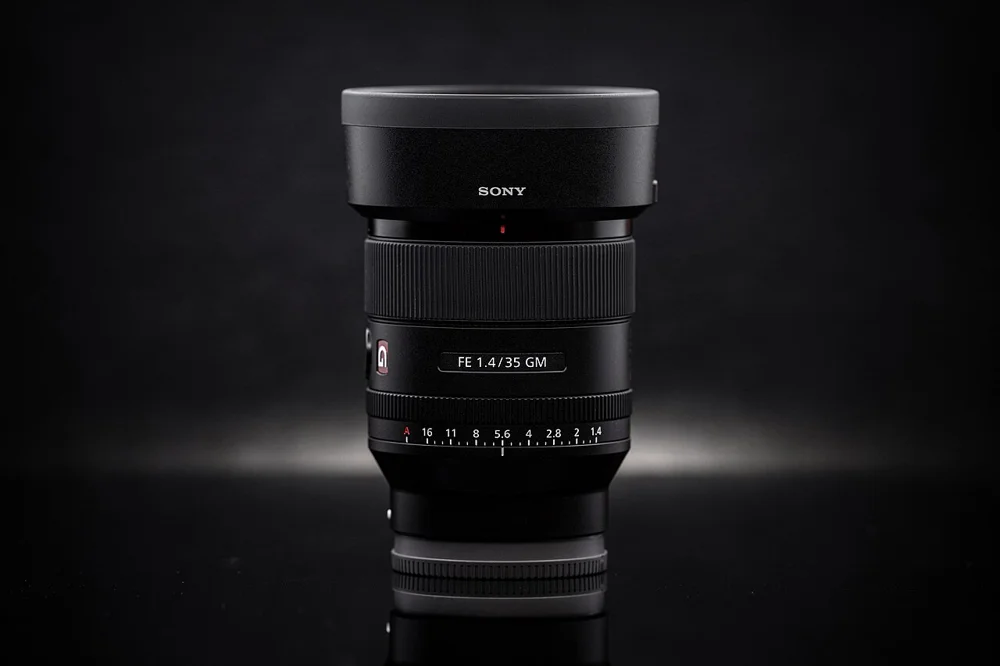

Start with the Sony FE 85mm F1.8 for individual portraits if you have room to stand back. Choose the FE 50mm F1.4 GM for broader framing, or the FE 70-200mm F2.8 GM OSS II when you need to change compositions without moving, especially during an assignment that includes events.
All seven lenses fit Sony E mount and cover a full-frame sensor. FE is Sony’s full-frame lens designation. On an APS-C E body, the smaller sensor gives a narrower view, so check your working space before using the full-frame recommendations below. These are not native fits for Sony A-mount, Canon RF, Nikon Z or other mounts; no adapted use is verified. The Sigma recommendation is the Sony E 85mm F1.4 DG DN Art, not L-Mount or the older DG HSM DSLR lens.
These recommendations draw on manufacturer specifications and independent reviews.
We may earn a commission from qualifying purchases through the Amazon.com links. They open exact-model searches, not verified listings. Check the model, mount, generation, condition, accessories, seller authorization, regional warranty and delivery to your address. Current prices and stock are unverified, and Amazon.com may not deliver to every country.
Still choosing a body? Start with the portrait camera guide. If you own another system, the Canon RF portrait lens guide and Nikon Z portrait lens guide cover separate native mounts, not substitutes for an E-mount camera.
Compare the shortlist
Choose the row that fits your sessions. All seven cover full frame in Sony E mount. Sources for specifications and review findings are collected at the end.
| Lens | Portrait role | Main caution |
|---|---|---|
| Sony FE 85mm F1.4 GM II SEL85F14GM2 | Faster Sony 85mm option | Fixed framing; match GM II |
| Sony FE 85mm F1.8 SEL85F18 | Straightforward individual portraits | Narrower maximum aperture than f/1.4 |
| Sony FE 50mm F1.4 GM SEL50F14GM | Normal framing with a fast aperture | Wider-aperture vignetting |
| Sony FE 135mm F1.8 GM SEL135F18GM | Longer-distance portraits | Moderately heavy; no aperture-ring lock |
| Sony FE 70-200mm F2.8 GM OSS II SEL70200GM2 | Variable tighter framing | Review caveat at 200mm wide open |
| Sony FE 35mm F1.4 GM SEL35F14GM | People in their surroundings | Wide framing is a different portrait role |
| Sigma 85mm F1.4 DG DN Art Sony E | Third-party f/1.4 at 85mm | Pincushion distortion; no distance markings |
FE 85mm F1.4 GM II for the faster Sony portrait prime
Product photo loads from Amazon when available.
Choose the GM II if you need an 85mm prime with a wider opening than f/1.8. Sony specifies an f/1.4 maximum aperture for SEL85F14GM2. That gives you more light and a shallower depth-of-field option, meaning less of the scene stays in focus. It does not give you a wider composition.
You still have fixed 85mm framing, so spend for the aperture only if you will use it. The Digital Picture describes the lens as not inexpensive; check today’s price rather than treating that review assessment as a current quote. Match GM II and SEL85F14GM2, not the first-generation GM.
FE 85mm F1.8 for a simpler starting decision
Product photo loads from Amazon when available.
The FE 85mm F1.8 SEL85F18 is the starting choice when you want individual portrait framing and have no clear need for f/1.4. Sony specifies 85mm and f/1.8. A prime has one focal length, so this suits a repeatable portrait setup better than a whole assignment with changing views.
You cannot widen the frame with a zoom ring, and f/1.8 admits less light than f/1.4. Neither limitation means it renders worse. Cameralabs provides an independent review, but there is no verified current-price comparison establishing this as the cheapest pick. On APS-C, check that you have enough room to step back.
FE 50mm F1.4 GM for more context in the frame
Product photo loads from Amazon when available.
Pick the 50mm F1.4 GM when 85mm leaves too little of the person or room in the frame. Sony specifies 50mm and f/1.4 for SEL50F14GM. You get broader full-frame composition while keeping a wide maximum aperture.
Digital Camera World reports vignetting at wider apertures, which means darker corners. Decide whether you want that look or need to correct it in your editor. This is the F1.4 GM, not the F1.2 GM; it is a framing choice, not a claim to be the best 50mm on every Sony body.
FE 135mm F1.8 GM for portraits with space to spare
Product photo loads from Amazon when available.
The 135mm F1.8 GM suits a session where you control the location and can stand farther away. Sony specifies 135mm and f/1.8 for SEL135F18GM. To keep the same subject framing as a shorter lens, you need more working distance. It is a poor replacement for an 85mm in a cramped studio.
Its f/1.8 opening gives you more light than the f/2.8 zoom. The Digital Picture lists moderately heavy construction and no aperture-ring lock as handling drawbacks. On APS-C the view narrows further, so try the composition in your own space. There is no measured working-distance figure here to plan around.
FE 70-200mm F2.8 GM OSS II when the subject stays put
Product photo loads from Amazon when available.
Choose the 70-200mm when you need several tighter compositions from one position. Sony specifies a constant f/2.8 maximum aperture throughout the range for SEL70200GM2. You can reframe without stepping into an event or asking the subject to move.
You give up the wider apertures of the primes. Amateur Photographer also reports uncorrected distortion and slight corner softness at 200mm with the aperture fully open. Corner softness may matter less if your subject sits near the center, but check correction support in your editor. Match OSS II, and verify your body’s burst limits, focus tracking and any teleconverter combination separately.
FE 35mm F1.4 GM for environmental portraits
Check Sony FE 35mm F1.4 GM SEL35F14GM on Amazon.com
Choose 35mm for a person at work, a musician in a room or a family at home when the surroundings belong in the picture. Sony specifies 35mm and f/1.4 for SEL35F14GM. This wider view serves a different purpose from an 85mm headshot.
Moving very close to fill the frame with a face changes perspective. That is a camera-position issue, not a measured distortion finding for this lens. An indexed excerpt of DPReview’s field review describes a somewhat front-heavy feel on recent Alpha bodies; the full page was not retrieved. Match the GM rather than the older Zeiss Distagon 35mm.
Sigma 85mm F1.4 DG DN Art Sony E for the third-party lane
Product photo loads from Amazon when available.
The Sigma offers a third-party route to 85mm and f/1.4 in Sony E mount, as specified on its A020 manufacturer page. Compare it with the Sony GM II if that framing and aperture fit your work. Do not assume equal autofocus, a lower current price or better image quality from those shared specifications.
Amateur Photographer reports pincushion distortion, which bends straight edges inward, and no focus-distance markings. Check how your editor corrects straight lines in the background. The missing markings also matter if you set planned manual-focus positions. Buy the DG DN Art Sony E version, not DG HSM or L-Mount.
Buy for a session, not a brand tier
First choose the kind of portrait you repeat. For individual portraits with space, compare the 85mm choices. For a room that is part of the story, consider 35mm or 50mm. For changing tighter compositions, consider the zoom. The 135mm belongs in the conversation only after confirming you can work farther away.
If you already own a zoom covering a candidate focal length, rehearse the composition on your own camera. An APS-C body is a reason to redo this exercise, not merely to read a full-frame review more carefully. Check whether you can still direct the subject comfortably and whether the background you want remains in frame.
Then distinguish a lens limitation from a lighting problem. A fast maximum aperture offers choices, but a group portrait may call for more depth of field. A different lens will not make an obstructed shooting position disappear. Spend for a repeated constraint you can name.
Questions buyers should settle
Can I use these on Sony A-mount?
No native fit is claimed. This is an E-mount shortlist, with no verified adapted use.
Are all three 85mm lenses interchangeable recommendations?
They share a focal-length category, but aperture, documented drawbacks and exact variant differ. There is no comparative test here that declares them equivalent.
Should I choose a 35mm for tight face portraits?
Choose it for wider environmental framing first. Trying to fill the frame by moving very close is a different shooting approach from standing back with 85mm.
Is the Sigma link a verified product listing?
No. It is an exact-model Amazon search. Confirm Sony E and DG DN in the selected listing and check availability.
Sources and specifications
- Sony 85mm GM II: Sony product page, The Digital Picture review.
- Sony 85mm F1.8: Sony specifications, Cameralabs review.
- Sony 50mm F1.4 GM: Sony product page, Digital Camera World review.
- Sony 135mm GM: Sony product page, The Digital Picture review.
- Sony 70-200mm GM OSS II: Sony product page, Amateur Photographer review.
- Sony 35mm GM: Sony product page, DPReview field review, consulted as an indexed excerpt.
- Sigma 85mm Sony E: Sigma product page, Amateur Photographer review.
Related guides
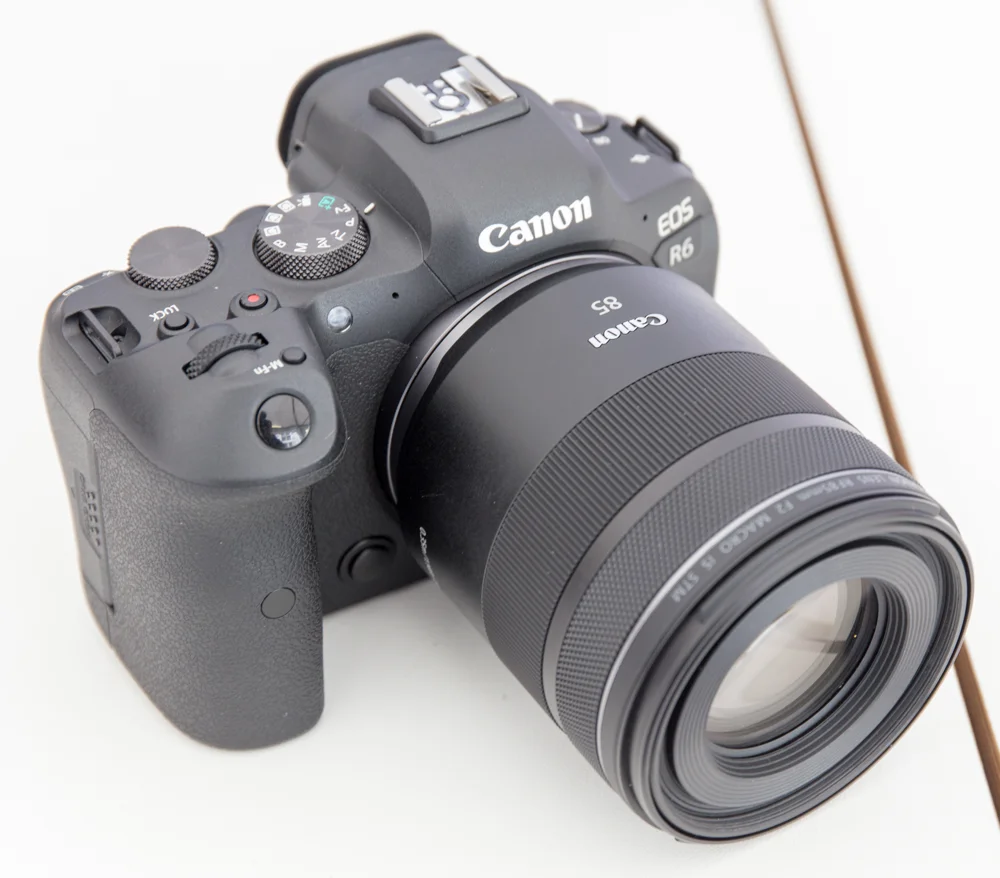
Best Canon lens for portraits: seven RF mirrorless choices
Choose a Canon RF portrait lens by room size, subject movement and framing, with seven sourced picks and clear full-frame and APS-C limits.
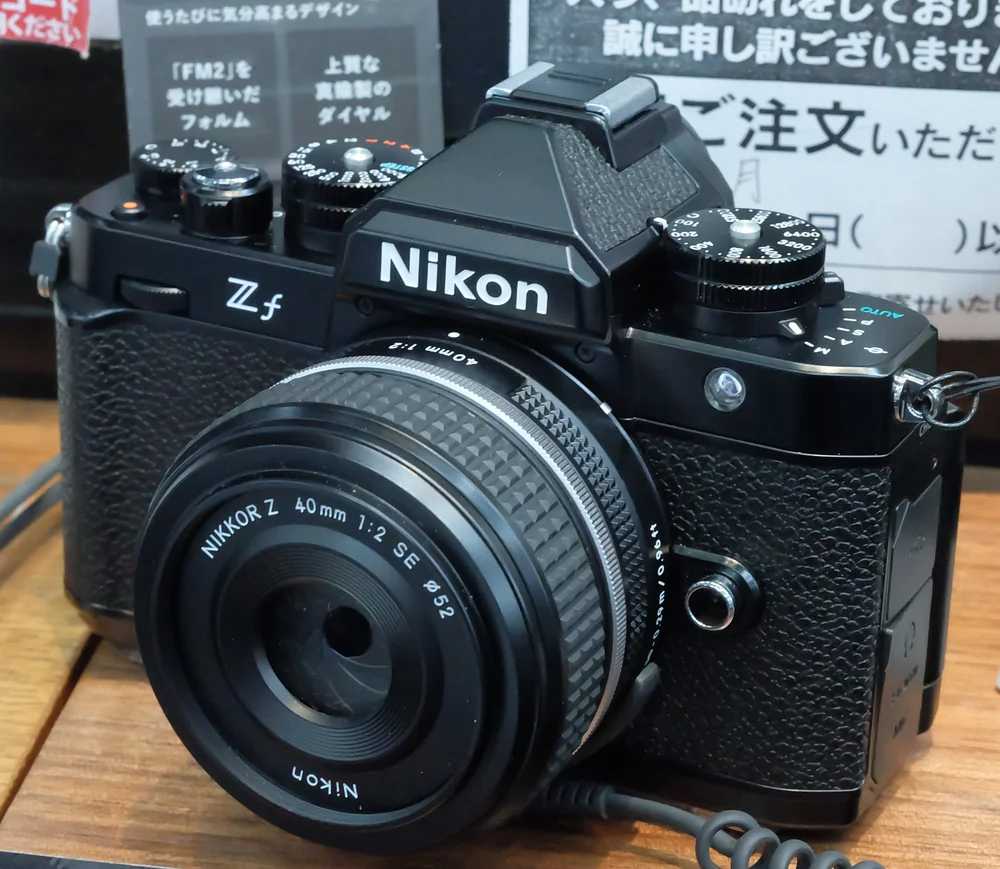
Best Nikon lens for portraits: seven Z-mount choices
Choose among seven Nikon Z portrait lenses by framing, aperture and room size, with FX and DX limits and sourced drawbacks for each exact model.
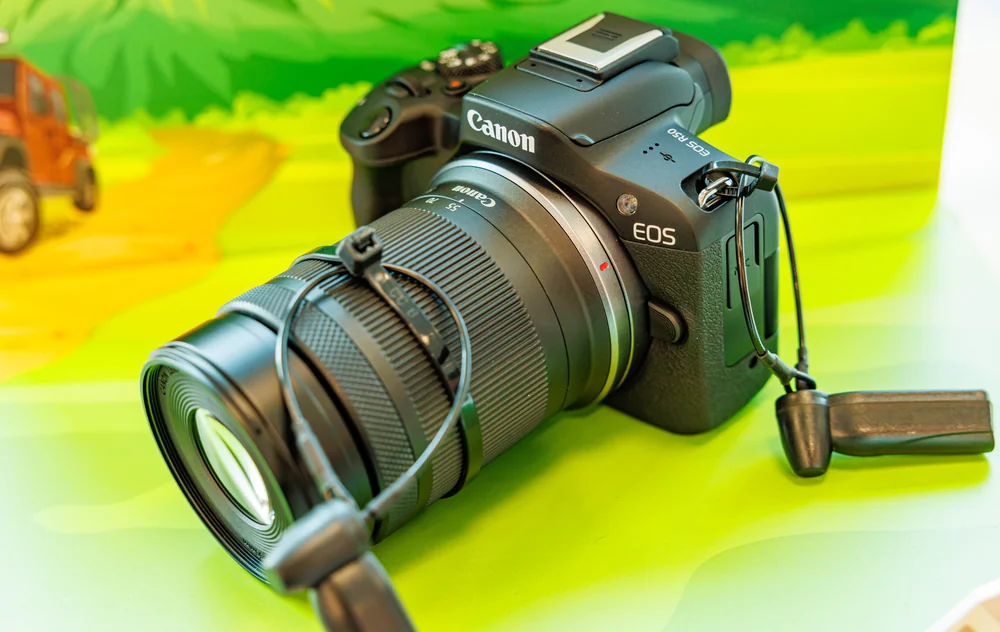
Best camera for beginners: seven choices for learning photography
Compare seven beginner camera candidates by viewfinder, stabilization, learning controls and lens-system commitments, with clear drawbacks and research sources.